
Sex After Prostate Surgery: What Changes and How to Adapt
By Jake Turner · Senior Editor · December 2025
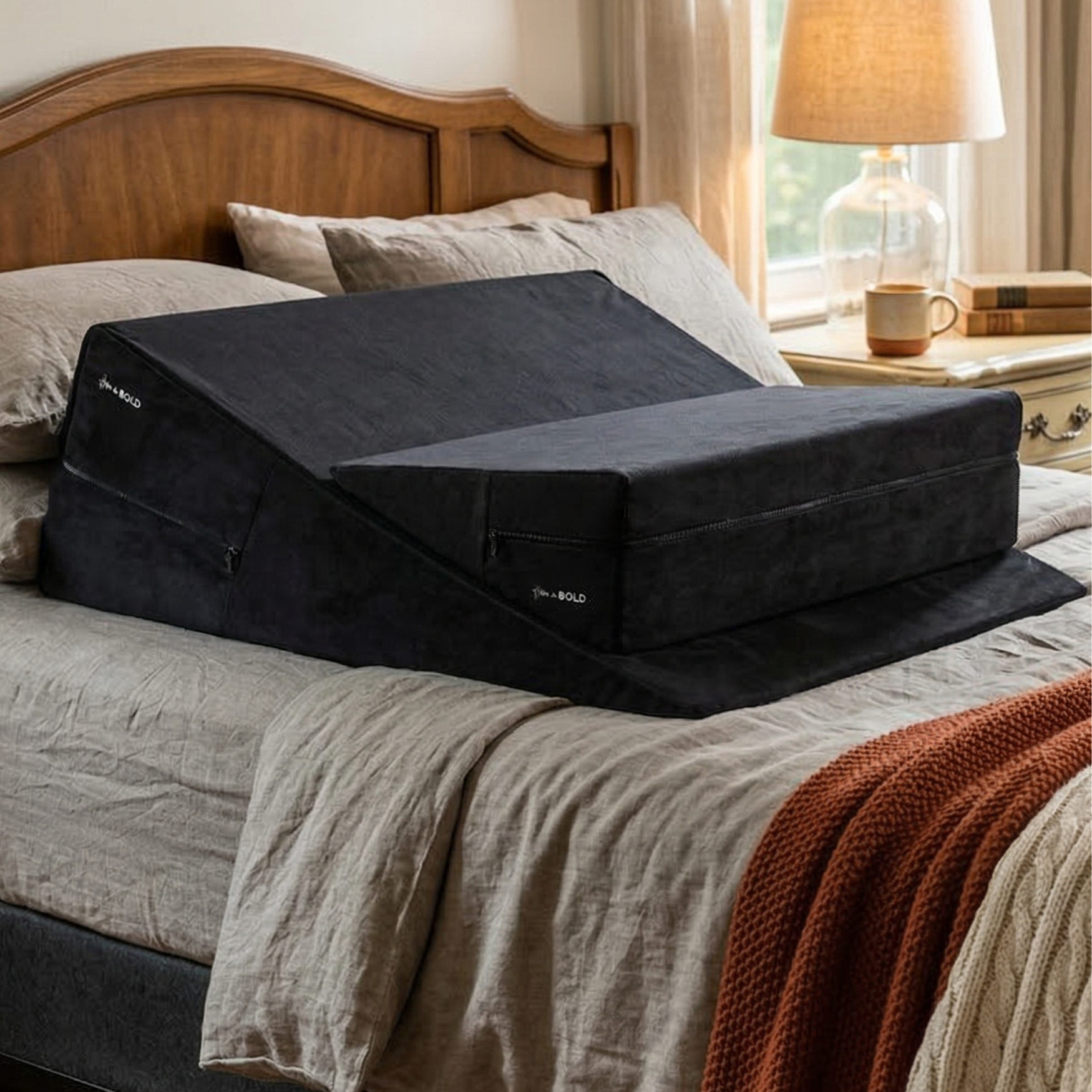
Prostate cancer is the second most common cancer in men, and radical prostatectomy remains one of the primary treatment options. But the conversation about sex after surgery is often brief, clinical, and insufficient. Here’s a practical breakdown of what actually changes — and how to maintain a satisfying sex life through and after recovery.
In This Article
What Prostate Surgery Does to Sexual Function
Radical prostatectomy — removal of the prostate gland — interrupts the nerve bundles responsible for erection, even in nerve-sparing procedures. According to the American Cancer Society, erectile dysfunction affects the majority of men after prostatectomy, with recovery rates that depend heavily on age, pre-operative function, and whether nerve-sparing technique was used. Penile rehabilitation — beginning use of PDE5 inhibitors (Viagra, Cialis) early post-op — is now standard in many centres. Orgasm is typically preserved even without erection, though it becomes dry (no ejaculate). Some men also experience temporary urinary leakage during orgasm (climacturia), which is worth knowing about in advance and is usually manageable with a penile clamp or condom.
Recovery of erectile function, when it occurs, typically takes 12–24 months. During this period, non-penetrative intimacy becomes more central — and this is where positioning knowledge genuinely matters. For managing this transition, our guide to intimacy after medical recovery provides useful framing for both partners.
Recovery Timeline: What to Expect and When
Physical activity restrictions after prostatectomy typically last 4–6 weeks. Most surgeons clear patients for sexual activity around 6 weeks post-op, though penetrative sex may not be viable for months due to ED. This doesn’t mean intimacy is off the table — it means the definition of sex temporarily expands. Oral sex, manual stimulation, mutual touch, and use of sex toys are all available once surgical sites have healed. The Prostate Cancer Foundation’s sexual health resources are worth bookmarking for the full recovery arc.
Positions That Work Post-Surgery
When erection is partial or assisted (through medication, pump, or implant), positions that require less rigid erection for penetration are preferable. Side-lying (spooning) and receiving partner on top are both lower-demand options. A positioning wedge under the receiving partner’s hips reduces the angle required for penetration, making partial erection more viable without the physical contortions that exhaust both partners. See our guide to sex positioning for limited mobility for broader context on low-effort adaptations. For couples where penetration isn’t currently possible, a wedge supports comfortable positioning for oral sex and external stimulation just as effectively.
How a Positioning Wedge Helps
The primary benefit of a positioning wedge post-prostatectomy is reducing physical effort. When a man is managing ED, anxiety about performance is already high — the last thing needed is physical strain from awkward positioning on top of that. A wedge supports the receiving partner in an angle that works with partial erection, and supports the man’s body in positions that don’t require sustained core tension. The removable, washable cover is a practical detail that matters — climacturia during orgasm is a real possibility in early recovery, and easy cleanup reduces the psychological friction around initiating intimacy.
| Stage | Penetrative Sex | Positioning Need | Best Approach |
|---|---|---|---|
| 0–6 weeks post-op | Not advised | N/A | Rest; non-contact intimacy |
| 6–12 weeks | Possible with medication | Low effort positions | Side-lying + wedge support |
| 3–12 months | Improving gradually | Angle assistance | Wedge under hips, receiver on top |
| ⭐ 12+ months (Our recommendation setup) | Often restored | Sustained angle | Wedge & Ramp Combo for full flexibility |
See the Wedge & Ramp Combo on Amazon
Penile rehabilitation after prostatectomy — early use of PDE5 inhibitors and/or vacuum erection devices — is clinically supported and significantly improves long-term erectile recovery rates. This is a separate conversation from positioning aids but equally important to have with your urologist.
Related Articles
Our Recommended Pick: Wedge & Ramp Combo Set
Low-effort positioning · washable cover · discreet shipping
Frequently Asked Questions
Jake Turner
Senior Editor · GloryHoleToGo
Jake has spent over a decade reviewing sexual wellness products, positioning aids, and intimacy furniture. His recommendations draw on hands-on product testing, consultation with certified sex therapists, and analysis of thousands of verified buyer reviews.