
Sex With Multiple Sclerosis: Adaptive Intimacy That Actually Works
By Jake Turner · Senior Editor · December 2025
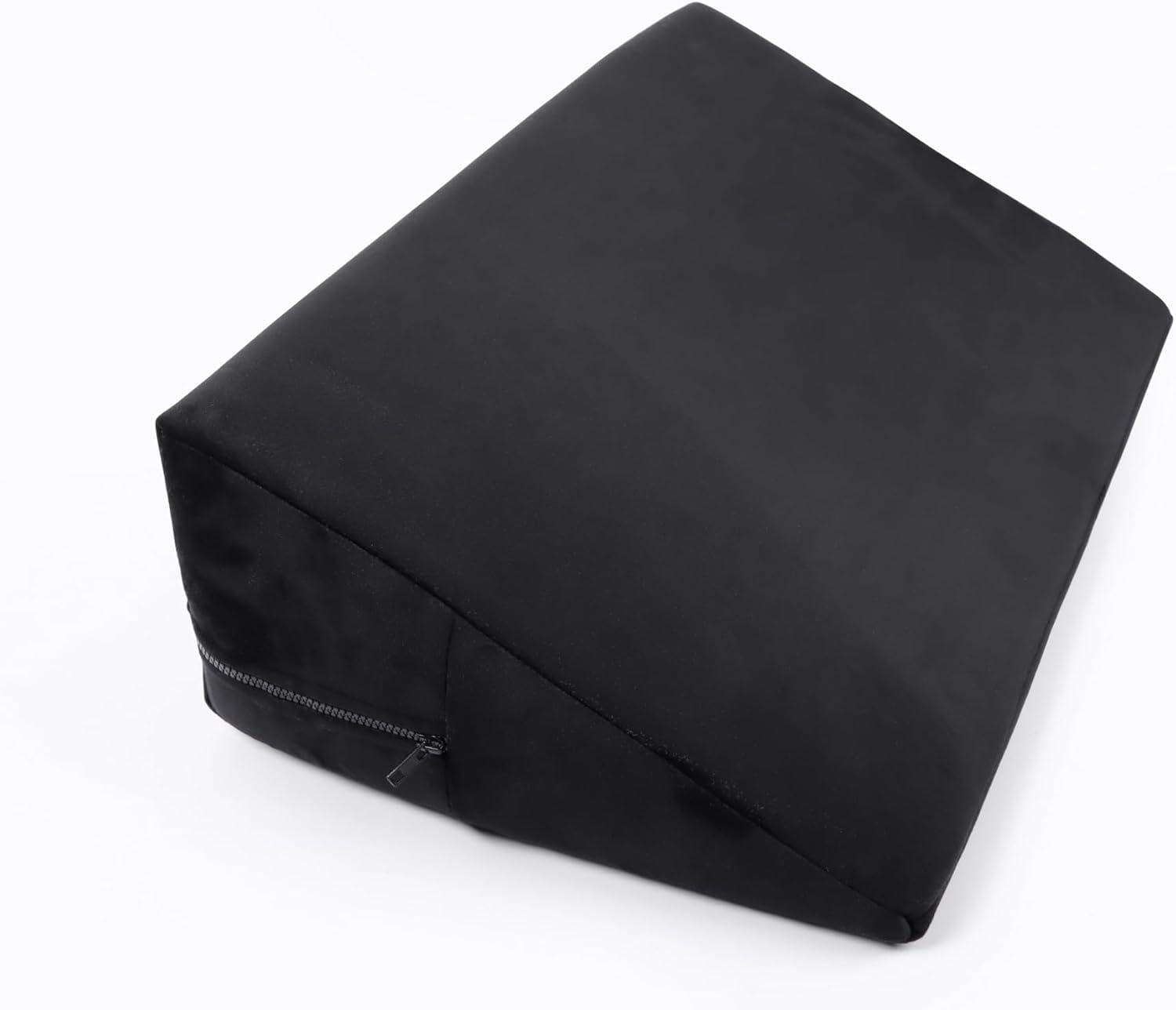
The National Multiple Sclerosis Society estimates that up to 91% of men and 72% of women with MS experience sexual dysfunction at some point. Yet sexual health is rarely addressed in routine MS care. This guide covers the real mechanisms behind MS-related sexual difficulties and the practical adaptations — including positioning — that make a genuine difference.
In This Article
How MS Affects Sexual Function
MS-related sexual difficulties fall into three categories. Primary symptoms come directly from neurological damage: reduced genital sensation, difficulty achieving orgasm, erectile dysfunction, vaginal dryness, and spasticity (muscle stiffness) in the legs and pelvis. Secondary symptoms result from other MS-related impairments: bladder dysfunction creating anxiety about incontinence during sex, fatigue reducing desire and stamina, and motor weakness limiting position choices. Tertiary symptoms are psychological: depression, body image concerns, and relationship stress. The National MS Society’s sexuality resources address all three categories and are worth reading alongside this guide.
Positioning aids primarily address the secondary category — reducing the physical demand that MS fatigue, weakness, and spasticity impose on intimacy. Our guides to sex with fibromyalgia and sex positioning for limited mobility cover overlapping strategies.
Managing Fatigue and Timing Intimacy
MS fatigue is neurological — different from ordinary tiredness and not resolved by rest alone. Timing intimacy for when energy is highest (often morning, or 1–2 hours after rest) makes a significant practical difference. Keeping sessions shorter and more frequent, rather than marathon attempts that exhaust both partners, aligns better with MS energy patterns. Cooling the environment before sex is worth noting: MS symptoms typically worsen with heat (Uhthoff’s phenomenon), so a cool room, cool shower beforehand, or even a cooling vest can meaningfully reduce symptom exacerbation during intimacy. Healthline’s MS fatigue guide covers the broader management picture.
Positioning Strategies for Spasticity and Weakness
Spasticity — involuntary muscle stiffness — most commonly affects the inner thighs and hip adductors in MS, making some positions difficult to hold or painful. Positions that require sustained muscle tension (standing, extended cowgirl) should be replaced with supported positions that let foam carry the work instead. A wedge between the knees provides consistent abductor spacing that reduces adductor spasm. A wedge under the hips in a side-lying position supports pelvic alignment without requiring leg control. The partner without MS typically adjusts their movement to be smoother and more controlled — avoiding jerky motion that can trigger spasm. These adaptations mirror approaches used in sex with sciatica and similar neuromuscular conditions.
Working With Changed Sensation
Reduced or altered genital sensation is common in MS and requires a different approach to stimulation — typically more direct, sustained pressure rather than light touch. Vibration is often more effective than manual touch for people with MS-related hypoesthesia, which is why vibrator use with a wedge (covered in our sex wedge and toys guide) is particularly relevant here. The wedge creates the positional setup that frees hands for stimulation or allows toys to be used hands-free, reducing the physical multitasking load during intimacy.
| Challenge | Standard Approach | With Positioning Aid | Improvement |
|---|---|---|---|
| Fatigue limits duration | Cut session short | Low-effort supported positions | Longer, less exhausting |
| Spasticity in hips/thighs | Avoid affected positions | Wedge between knees/under hips | Reduces spasm trigger |
| Weakness limits active positions | Partner does all work | Passive supported positions | Both can participate |
| ⭐ Combined: fatigue + spasticity + weakness | Very limited options | Wedge & Ramp full setup | Most positions accessible |
See the Wedge & Ramp Combo on Amazon
Bladder management before sex — emptying the bladder fully, considering a pad or towel for reassurance — addresses anxiety about incontinence and is worth doing as a routine rather than a last-minute worry. This is a separate issue from positioning but significantly affects willingness to initiate.
Related Articles
Our Pick: Wedge & Ramp Combo Set
Reduces physical demand · firm support · easy to clean
Frequently Asked Questions
Jake Turner
Senior Editor · GloryHoleToGo
Jake has spent over a decade reviewing sexual wellness products, positioning aids, and intimacy furniture. His recommendations draw on hands-on product testing, consultation with certified sex therapists, and analysis of thousands of verified buyer reviews.