
Low Libido and Intimacy: How Removing Physical Friction Actually Helps
By Jake Turner · Senior Editor · February 2026
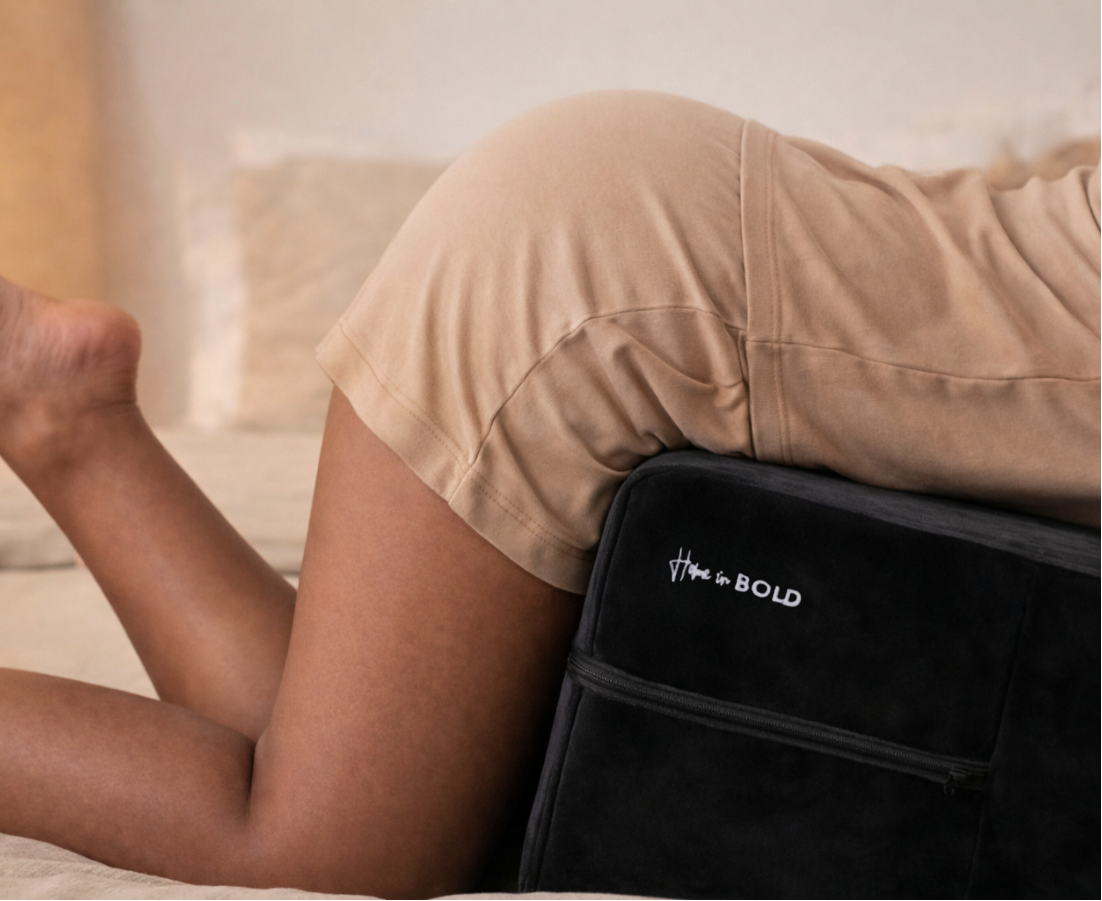
Low libido is the most commonly reported sexual concern across all genders and age groups. Its causes are multiple — hormonal, psychological, relational, situational. Positioning aids can’t address most of those causes. What they can address is one specific mechanism: the physical threshold to initiation. When sex feels physically easy, the mental calculus of ‘is it worth it tonight?’ shifts.
In This Article
What Actually Causes Low Libido
Low sexual desire has multiple distinct causes that require different interventions. Hormonal causes (low testosterone in men and women, high prolactin, thyroid dysfunction) are worth investigating with a GP if desire has changed significantly. Psychological causes (depression, anxiety, stress, trauma, relationship dissatisfaction) are the most common underlying drivers and are best addressed with a therapist or psychologist. Relational causes (resentment, poor communication, mismatch in desire frequency) benefit from couples work. Psychology Today’s overview of low desire is a good starting point for identifying which category applies. Physical positioning is relevant specifically to situational low desire — where the desire is present in theory but the physical activation energy to initiate sex is too high.
The Physical Threshold Problem
For many people with low or variable desire, the question isn’t ‘do I want this at all?’ but ‘is the effort worth it tonight?’ When sex involves physical exertion — holding difficult positions, managing discomfort, supporting body weight in ways that feel like work — the effort-to-reward ratio becomes unfavourable on low-desire evenings. Remove the effort, and the same desire that was insufficient to overcome the activation energy becomes sufficient. This is particularly true for people with chronic fatigue, fibromyalgia, or any condition that makes physical activity generally more costly.
Responsive vs Spontaneous Desire
Sex researcher Emily Nagoski’s distinction between spontaneous desire (desire that arises without stimulation) and responsive desire (desire that arises in response to stimulation already present) is one of the most useful frameworks in contemporary sexual health. Many people — particularly women, and particularly in long-term relationships — primarily experience responsive desire. They don’t feel desire before starting; they feel it after beginning. For this desire profile, the barrier to initiation is entirely physical and contextual — and a low-effort, comfortable physical setup is a direct intervention on that barrier. Nagoski’s book Come As You Are covers this in full depth; it’s genuinely worth reading for anyone navigating desire discrepancy. For couples experiencing desire mismatch specifically, our guide to introducing a sex wedge into a relationship addresses the conversation around initiating change.
How Reducing Physical Effort Helps
The practical implication: when sex is set up to be physically easy — a supported side-lying position that requires nothing from either partner, or a face-down ramp position that produces good sensation with zero sustained effort — the decision calculus of ‘tonight?’ improves. This isn’t a cure for low libido. But it’s a genuine intervention on the specific threshold problem that physical effort creates. Couples who have introduced a wedge and ramp often report that initiation frequency increases — not because desire has changed, but because the physical barrier to acting on available desire has decreased.
| Approach | Addresses Root Cause? | Reduces Physical Threshold | Effort to Implement | Recommended |
|---|---|---|---|---|
| Hormonal testing with GP | Yes (if hormonal) | No | Low | Yes — rule out first |
| Therapy / couples counselling | Yes (psychological/relational) | No | Moderate | Yes — most effective |
| Scheduling sex / reducing pressure | Partially | Somewhat | Low | Yes — useful |
| Low-effort positions (standard) | No | Partially | None | Good baseline |
| ⭐ Low-effort positions + wedge support | No | Significantly | Very low | Best physical intervention |
See the Wedge & Ramp Combo on Amazon
If libido has changed significantly and suddenly, it’s worth a GP visit to check testosterone, thyroid function, and prolactin levels. Physical positioning helps with contextual low desire — it doesn’t address hormonal or psychological root causes that need direct treatment.
Related Articles
Our Pick: Wedge & Ramp Combo Set
Lowers the physical threshold to initiation · easy setup · washable
Frequently Asked Questions
Jake Turner
Senior Editor · GloryHoleToGo
Jake has spent over a decade reviewing sexual wellness products, positioning aids, and intimacy furniture. His recommendations draw on hands-on product testing, consultation with certified sex therapists, and analysis of thousands of verified buyer reviews.