
How Long Do Sex Toys Last? Lifespan by Material and Proper Care
By Jake Turner · Senior Editor · April 2025
How long a sex toy lasts depends primarily on three factors: the material it’s made from, how it’s cleaned, and how it’s stored. Premium silicone toys with good care can last a decade or more. TPE toys degrade in years regardless of care. Rechargeable toy lifespan is bounded by the battery. Here’s what actually determines sex toy longevity.
In This Article
Lifespan by Material
Medical-grade silicone: With proper care (no silicone-on-silicone storage, water-based lube, appropriate cleaning), silicone toys can last 10+ years without material degradation. The silicone body itself is not the lifespan-limiting factor for premium toys — the electronics or battery is.
Stainless steel: Essentially indefinite material lifespan. 316-grade stainless steel is corrosion-resistant and does not degrade with use, cleaning, or time. A well-cared-for steel toy has no practical material end-of-life.
Borosilicate glass: Similar to stainless steel — no material degradation unless physically broken. Handle carefully and keep away from hard impacts.
TPE/TPR: Typically 2–5 years before the material degrades noticeably — becoming sticky, discolored, or developing an off smell that cleaning doesn’t resolve. This is inherent to the material chemistry, not a care failure.
ABS plastic: Durable but can yellow with UV exposure over years. Not a functional concern in most cases.
Battery as the Limiting Factor
For rechargeable toys, the battery — not the silicone body — determines end of life. Lithium-ion batteries degrade over charge cycles: 300–500 full cycles before significant capacity loss is the commonly cited range. For a toy used and charged weekly, that’s 5–10 years of battery life at the high end. For a toy used daily, 1–2 years before noticeable degradation.
Battery lifespan is extended by: avoiding full discharge cycles, storing at 40–60% charge during extended periods, and keeping charging contacts clean. Battery lifespan is shortened by: running to 0% repeatedly, storing depleted for months, and heat exposure (storage in hot environments).
How Care Affects Lifespan
The most common care-related causes of premature toy degradation:
Using silicone-based lubricant on silicone toys — causes surface breakdown that worsens over time.
Using harsh cleaners (alcohol, bleach routinely) on silicone — dries and cracks the silicone surface over repeated use.
Storing porous toys while damp — bacterial growth damages porous materials from the inside.
Running rechargeable toys to 0% and leaving them depleted — shortens battery cycle life significantly.
How Storage Affects Lifespan
Storage affects lifespan in ways that care alone cannot compensate for:
Silicone-on-silicone contact in storage causes surface degradation that cleaning doesn’t reverse. Keep silicone toys separated.
Heat exposure (storage in hot cars, near radiators) degrades both silicone and battery chemistry.
UV/sunlight exposure degrades silicone, ABS, and TPE over time.
Improper storage of TPE toys (airtight, damp) accelerates material breakdown from the 2–5 year baseline to 1–2 years.
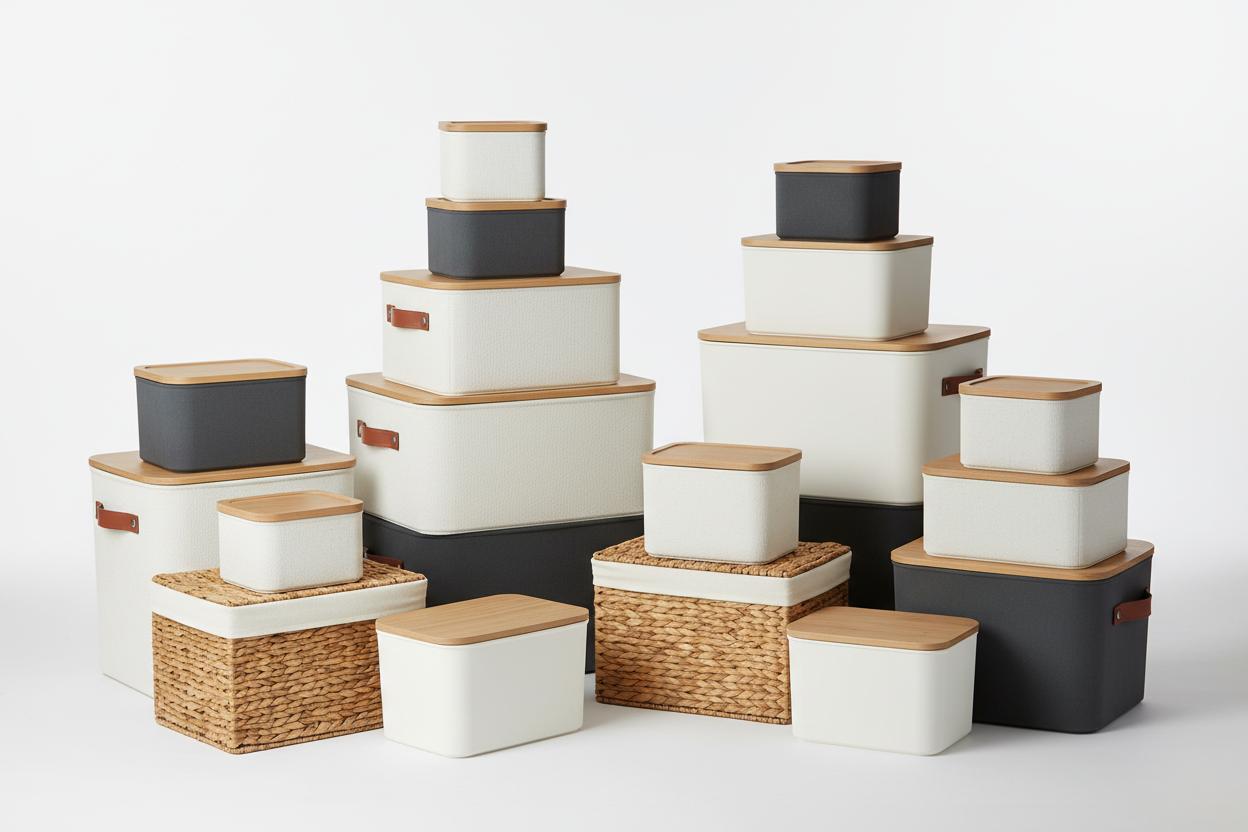
The Home in Bold box addresses the storage conditions that affect lifespan: compartmented to prevent silicone contact, opaque and locked to block light and heat, room-temperature storage environment when placed in a bedroom or closet.
When to Replace
Silicone toys: Replace when the surface becomes tacky, discolored (beyond surface staining), cracked, or damaged — or when the motor no longer functions reliably. Not on a time schedule if properly maintained.
TPE toys: Replace when the material becomes sticky, develops persistent off-smell, or shows visible degradation — typically 2–5 years depending on use and care.
Rechargeable toys: Replace when run time drops below 50% of original or the toy fails to hold charge — typically indicates battery end-of-life that the manufacturer cannot service.
| Material | Expected Lifespan (with care) | Lifespan Limiter |
|---|---|---|
| Medical-grade silicone | 10+ years (material) | Battery in rechargeable models |
| Stainless steel | Indefinite | Physical damage only |
| Borosilicate glass | Indefinite | Physical breakage only |
| TPE/TPR | 2–5 years | Material chemistry — inherent degradation |
| Rechargeable battery | 300–500 charge cycles | Charge habits and storage |
Store Your Investment in the Home in Bold Box
Premium silicone toys last 10+ years with proper care. The Home in Bold box provides the storage conditions — separated, covered, locked — that protect that investment.
Related Articles
Protect Your Investment With Proper Storage
Separated compartments. Opaque, locked box. Extends toy lifespan.
Frequently Asked Questions
Jake Turner
Senior Editor · GloryHoleToGo
Jake has spent over a decade reviewing sexual wellness products and storage solutions. His brand care guides draw on official manufacturer documentation, direct product testing, and consultation with sex educators. Where manufacturer specifications were unavailable or varied by model, this is noted explicitly in the article.