
Sex Toy Odors: What Causes Them, How to Remove Them, and When the Toy Is Done
By Jake Turner · Senior Editor · May 2025
Sex toys develop odors for several distinct reasons, and the solution depends entirely on the cause. A new toy smell is different from a post-use smell, which is different from a storage odor, which is completely different from the persistent odor of a porous toy with embedded bacteria. This guide diagnoses the four main causes of sex toy odors and gives specific solutions for each.
In This Article
New Toy Smell: Off-Gassing
Many new sex toys have a distinct chemical smell when first opened — particularly toys with higher TPE, TPR, PVC, or rubber content. This is off-gassing: the material releasing volatile compounds into the air as it transitions from manufacturing and packaging. It is most pronounced in:
TPE/TPR toys (Fleshlight, many budget toys): The SuperSkin and similar materials off-gas more than premium silicone. The smell usually dissipates within a few days to a week when the toy is stored with the case open in a ventilated area.
PVC and “rubber” toys: These have the most pronounced off-gassing. PVC-based toys release phthalates (plasticizers) over time — this is not just an aesthetic smell concern, it is a health concern. Phthalate-free and body-safe labeling is important for toy purchasing decisions.
Premium silicone toys (LELO, We-Vibe, Fun Factory): Should have minimal to no new-toy smell. A strong chemical smell on a toy labeled “silicone” is a sign of low-quality silicone blend or filler materials.
Solution: For TPE/TPR new toy smell, air the toy out in a ventilated area for 24–72 hours before use. Wash according to the manufacturer’s instructions. For persistent strong chemical smell on any toy, particularly one labeled as silicone — contact the manufacturer. Quality silicone should not smell strongly after washing.
Cleaning Residue Odor
Cleaning products that are not fully rinsed leave residue on toy surfaces, and that residue can develop an odor over time. Common culprits:
Scented soap: Fragrance compounds bind to silicone surfaces and slowly degrade, creating a progressively unpleasant smell. The solution is to re-clean the toy with unscented mild soap and warm water, rinsing extremely thoroughly, and allowing to fully air dry.
Heavy lube residue: Glycerin-containing lubes that are not fully cleaned from silicone can become odorous as the glycerin degrades. Re-clean thoroughly with toy cleaner or mild soap, rinse completely.
Antibacterial cleaners: Some antibacterial products leave a persistent chemical residue on silicone that doesn’t rinse fully. Avoid antibacterial soaps with triclosan for toy cleaning — they create more problems than they solve.
The diagnostic question: does the smell go away after thorough cleaning and full air-drying? If yes, it’s residue-based. If the smell returns after cleaning, the problem is in the material itself.
Bacterial Odor: Cleaning Failure
A sour, acidic, or organic smell on a previously odorless toy is typically bacterial contamination. For non-porous materials (silicone, ABS, steel), this means the surface was not adequately cleaned after use. The solution is thorough cleaning with sex toy cleaner or mild soap, ensuring all surfaces including crevices and textured areas are cleaned, rinsed fully, and allowed to dry completely.
For non-motorized silicone, boiling or a 10% bleach solution (followed by thorough rinsing) will sterilize the surface and eliminate bacterial odor. For motorized silicone toys, thorough cleaning with toy cleaner is the appropriate response — followed by storing in a clean environment.
If a non-porous silicone toy continues to develop bacterial odor despite thorough cleaning, check: is the toy being dried completely before storage? A damp toy in an enclosed box creates a microenvironment where bacteria grow on the surface. Dry completely before storing.
Porous Materials: When the Smell Is Permanent
For porous toy materials (TPE, TPR, rubber), bacterial odor is often not solvable by surface cleaning. Because bacteria penetrate the porous material during use and cleaning, they can become embedded in the material structure. What results is a persistent odor that cleaning addresses on the surface but not the interior.
The diagnostic: if a TPE/TPR toy smells immediately after cleaning — not after storage, but immediately after cleaning — the bacteria are in the material, not on the surface. This is the point where the material has reached the end of its hygienic life.
For Fleshlight specifically: the renewal powder protocol and complete air-drying (24 hours) prevents most bacterial odor development. If a Fleshlight sleeve that was maintained correctly develops a persistent post-cleaning odor, the sleeve needs replacement. Replacement sleeves are available and less expensive than full Fleshlight units.
Storage Environment Odors
Toys stored in enclosed containers with other items can absorb ambient odors: the box lining, other toys, lubricants, cleaning products, or the surrounding environment (perfume in a drawer, wood smell from a cedar chest). These absorbed odors are not a hygiene concern — they are an aesthetic inconvenience.
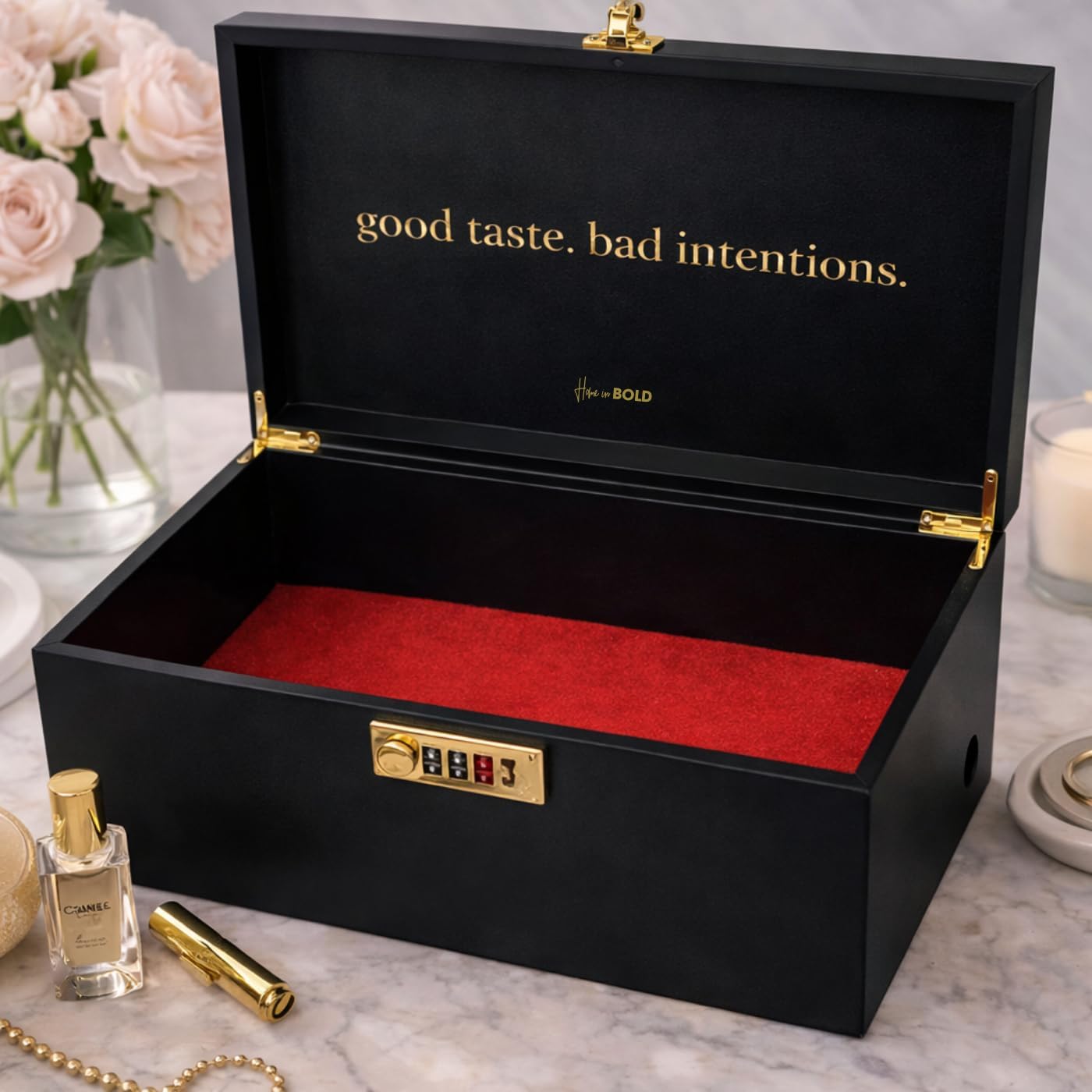
Solution: air the toy out before use by leaving it open in a clean environment for 30–60 minutes. Store toys in a velvet-lined box rather than directly in contact with aromatic materials. The Home in Bold box‘s velvet interior is odor-neutral — it doesn’t contribute fragrance to stored items.
Why Quality Silicone Is Nearly Odorless
Premium medical-grade silicone (the material used by LELO, We-Vibe, Fun Factory, Njoy, Tantus) is inherently nearly odorless. The silicone polymer chain does not off-gas meaningfully, doesn’t absorb environmental odors deeply, and doesn’t interact with cleaning products in a way that produces breakdown odors.
This is a quality indicator. If you’re comparing two toys and one has a noticeable chemical smell while the other is nearly odorless, the odorless one likely has a higher-quality silicone formulation. “Body-safe silicone” claims vary widely in quality — premium silicone’s near-odorlessness is part of what distinguishes it from lower-grade blends.
When the Smell Means Replace the Toy
Replace the toy (or the sleeve/component) when: the smell is persistent after thorough cleaning and full drying (indicates bacterial embedding in porous material), the smell is accompanied by visible surface degradation — stickiness, discoloration, texture changes (indicates material breakdown), or the toy is made from a material known to off-gas harmful compounds (PVC with phthalates, heavily scented rubbers).
Do not try to mask persistent odors with perfume or air freshener — these are irritants on toy surfaces, and masking the symptom doesn’t address the underlying material contamination.
Prevention: Storage That Prevents Odor
Most storage-related odors are preventable: store toys fully dry (bacterial growth requires moisture), in a clean-lined container (velvet or fabric, not contact with other materials that contribute odors), separated from each other (silicone-on-silicone contact degrades surfaces over time, which can contribute to odor development), and in a stable room-temperature environment away from heat and UV.
The Home in Bold box checks all these boxes: velvet interior that’s odor-neutral, removable dividers that separate toys, code-locked and covered to keep the environment clean and stable.
| Odor Type | Cause | Solution | Toy Replacement Needed |
|---|---|---|---|
| New toy chemical smell | Off-gassing from manufacturing | Air out 24–72 hrs; wash and rinse | Only if very strong on ‘silicone’ toy |
| Cleaning residue smell | Scented soap or lube not fully rinsed | Re-clean thoroughly with unscented cleaner | No |
| Sour/bacterial smell, non-porous | Inadequate surface cleaning | Deep clean with toy cleaner or boil | No (if cleaning resolves it) |
| Persistent smell after cleaning, porous | Bacteria embedded in material | Cannot be resolved | Yes — material end of life |
| Absorbed environmental smell | Storage environment | Air out before use; use odor-neutral storage | No |
Odor-Neutral Storage for Your Collection
The Home in Bold box has a velvet interior that doesn’t contribute odors to stored toys. Keeps items clean, dry, and separated — preventing the conditions that cause most toy odors.
Related Articles
Clean Storage Prevents Odor Problems
Velvet-lined interior. Separated compartments. Fully covered and locked.
Frequently Asked Questions
Jake Turner
Senior Editor · GloryHoleToGo
Jake has spent over a decade reviewing sexual wellness products and storage solutions. His brand care guides draw on official manufacturer documentation, direct product testing, and consultation with sex educators. Where manufacturer specifications were unavailable or varied by model, this is noted explicitly in the article.