
How to Extend Your Sex Toy Lifespan: 12 Expert Care Tips

How to Extend Your Sex Toy Lifespan: 12 Expert Care Tips

By Jake Turner  ·  Senior Editor  ·  May 2025
How to Extend Your Sex Toy Lifespan: 12 Expert Care Tips

Quality sex toys represent a meaningful investment. A premium silicone vibrator, a stainless steel toy, or a high-end masturbator can cost anywhere from $50 to $300 or more. With proper care, these toys can last 5–10 years. Without it, they degrade within months. The difference is almost entirely in how they’re cleaned, stored, and used.

These twelve care practices represent the highest-impact changes you can make to significantly extend the life of every toy you own — regardless of material, type, or brand.

1. Clean Immediately After Every Use

The longer body fluids, lubricant, and bacteria sit on toy surfaces, the more they degrade the material and become harder to remove. Cleaning immediately after use is significantly more effective than cleaning hours later, and it prevents the material breakdown that occurs when residue sits on a surface over time. Make it a non-negotiable habit: use → rinse → clean → dry before anything else.

2. Use Water-Based Lubricant with Silicone and TPE Toys

Silicone-based lubricant bonds to silicone toy surfaces and causes progressive surface degradation. This is irreversible — once a silicone toy’s surface has been damaged by silicone lube, the texture and integrity don’t recover. Water-based lubricant is compatible with every toy material and preserves surfaces completely. The simple rule: water-based with any soft toy, any lubricant type with steel or glass.

3. Never Store Until Completely Dry

Moisture trapped in storage pouches and boxes creates mold, degrades materials, and causes odor. For masturbator sleeves with interior channels, this is especially critical — interior moisture that isn’t removed causes mold within 24–48 hours. After cleaning: shake out water, pat dry, then air dry for at least 30–60 minutes before placing in any bag or box. For interior channels, use a drying stick or lint-free cloth first.

4. Store Each Toy in Its Own Pouch

Silicone toys stored in direct contact with each other can degrade at contact points over time. TPE toys stored against other items can stick or fuse. Hard toys scratch soft ones. Individual pouches prevent all of these problems, keep toys dust-free, and make organization in a storage box clean and systematic. A small cloth pouch or zip-lock bag per toy is the minimum requirement.

5. Store at Room Temperature, Away from Light

Silicone and TPE degrade faster with exposure to UV light and heat fluctuations. A toy left on a windowsill, in a car, or near a heat source will degrade significantly faster than the same toy stored in a cool, dark drawer. Consistent cool room temperature (15–22°C / 60–72°F) is the ideal storage environment.

6. Maintain Rechargeable Batteries at 50–60% for Storage

Lithium-ion batteries stored fully discharged suffer permanent capacity loss. Those stored at 100% long-term also degrade faster than those stored at 50–60%. Charge toys to 50–60% before periods of non-use. For storage longer than a month, top up every 4–6 weeks. Never let a rechargeable toy fully discharge and then leave it stored depleted.

7. Enable Travel Lock Before Storage

Accidental activation completely drains batteries and — in some cases — causes motors to run against resistance if the toy is constrained in a drawer or bag, leading to motor damage. Most modern vibrators have a travel lock that prevents accidental activation. Enable it every time you store a motorized toy.

8. Use the Right Charging Cable

Third-party charging cables that deliver incorrect voltage can overcharge or undercharge toy batteries, causing faster degradation and potential safety issues. Always use the original charging cable that came with the toy. If lost, purchase a replacement from the manufacturer rather than a generic alternative.

9. Inspect Before Every Use

A pre-use inspection takes 30 seconds and can prevent injury. Check silicone toys for surface tears, cuts, or sticky degraded areas. Check glass toys for chips or cracks (never use a chipped glass toy). Check vibrating toys for exposed wiring or damaged charging ports. Check mechanical components (straps, hinges) for integrity. A toy showing signs of material breakdown should be replaced.

10. Never Mix Cleaning Methods with Materials

The most destructive toy care mistakes are material-method mismatches: alcohol on silicone, boiling a vibrator, soaking a non-waterproof toy. Learn the correct method for your toy’s material and use it consistently. The investment of 5 minutes researching your toy’s material and care requirements will save the toy’s useful life.

11. Use a Dedicated Storage Box

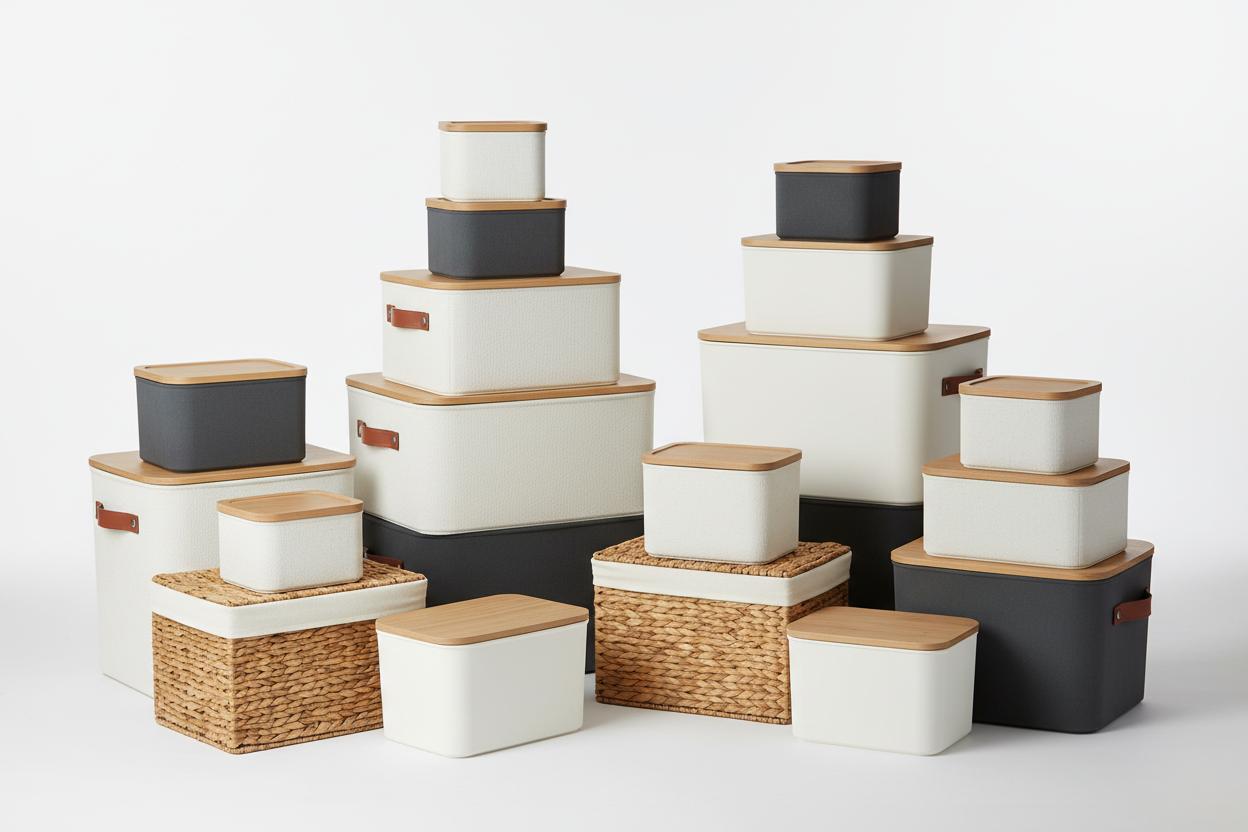
Storing toys in socks, shoeboxes, or loose in drawers creates unnecessary risk: no organization, no padding, no separation, no lock. A purpose-built lockable storage box like the Home in Bold organizer with velvet lining and dividers provides optimal storage conditions: dark, cushioned, organized, and secure. It’s also the simplest way to maintain the pouch-per-toy organization system that extends material life.

12. Replace Rather Than Use Damaged Toys

A toy that has cracks, surface tears, persistent odor after cleaning, or material degradation is not safe to use. The body surfaces contacted by sex toys are sensitive and absorptive. A damaged non-porous toy becomes effectively porous — harboring bacteria that cleaning cannot remove. The replacement cost of a toy is small compared to the health risk of continuing to use a degraded one.

Tip What It Protects Priority
Clean immediately after use Material integrity; hygiene Critical
Water-based lube with silicone/TPE Silicone and TPE surfaces Critical
Fully dry before storage All materials; prevents mold Critical
Individual pouches per toy Silicone surfaces; prevents scratching High
Cool, dark storage Silicone and TPE longevity High
50–60% charge for storage Lithium battery capacity High
Enable travel lock Motor and battery Medium
Original charging cable Battery health Medium
Inspect before use Safety; catch material failure early Medium
Correct cleaning method per material All materials Critical
Dedicated storage box All toys; organization Medium
Replace damaged toys Health and safety Critical

The Best Storage System for Your Investment

The four practices that have the most impact on toy lifespan: clean immediately after use, use only water-based lube with silicone and TPE, dry completely before storage, and store at 50–60% battery charge.

Protect Your Collection for the Long Term

Velvet lining, code lock, designed for real collections. The Home in Bold box.

View on Amazon

Frequently Asked Questions

How long should a sex toy last?

Non-motorized silicone and metal toys can last 5–10+ years with proper care. Rechargeable vibrators last 2–5 years depending on battery care and use frequency. TPE masturbators last 6 months to 2 years. The biggest factor is cleaning and storage practices.

How do you know when to throw away a sex toy?

Replace when you notice: cracks, tears, or surface degradation; persistent odor after thorough cleaning; tacky or sticky surface texture that wasn’t there originally; battery that won’t hold charge; any chip or crack in a glass toy; mold discoloration.

Does lubricant type affect how long a sex toy lasts?

Yes significantly. Silicone-based lubricant permanently damages silicone and TPE toy surfaces. Oil-based lubricant degrades most materials. Water-based lubricant preserves all materials and is the recommended choice for every soft toy.

How should I store sex toys long-term?

Clean thoroughly, dry completely, store at 50–60% charge (rechargeable toys), in individual pouches, in a lockable storage box in a cool dark location. Top up rechargeable batteries every 4–6 weeks during long-term storage.

Can I extend the life of a TPE toy?

Yes, with proper care: clean immediately after use, dry interior channels completely before storage, use water-based lube only, store in individual pouch away from heat and light. Even with perfect care, TPE has a shorter natural lifespan than silicone — plan for replacement every 1–2 years with regular use.

Does a sex toy expire?

Not with a fixed expiry date, but materials degrade over time with use and even in storage. Silicone can last a decade. TPE degrades within 1–2 years of regular use. Inspect regularly and replace when you notice material degradation signs.

JT

Jake Turner

Senior Editor · GloryHoleToGo

Jake has spent over a decade reviewing sexual wellness products and storage solutions. His brand care guides draw on official manufacturer documentation, direct product testing, and consultation with sex educators. Where manufacturer specifications were unavailable or varied by model, this is noted explicitly in the article.

Scroll to Top