
People searching for a DIY glory hole are usually trying to solve a practical problem, not chase shock value. They want privacy, control, and a specific kind of setup, but they are not always sure how to achieve it safely or discreetly at home.
A DIY glory hole can be built, and many people attempt it in different ways. Some succeed temporarily. Many realize along the way that what seems simple on paper becomes complicated, risky, or impractical once real-world constraints are involved.
If you already want to see a purpose-built alternative designed specifically for home use, this is the option many people end up choosing after experimenting: view the portable glory hole on Amazon.
This guide explains the most common DIY glory hole methods, what usually goes wrong, and why many people eventually move away from permanent DIY solutions.
What People Mean by a DIY Glory Hole
A DIY glory hole typically refers to creating an opening or partition that allows interaction while maintaining separation and anonymity.
Most DIY builds fall into three broad categories. Temporary wall or door modifications, freestanding partitions, and improvised furniture-based setups.
Each approach comes with its own trade-offs, and none are as straightforward as they first appear.
Common DIY Glory Hole Approaches
Cutting Into a Wall or Door
This is the most obvious idea and also the most problematic.
People sometimes consider modifying drywall, hollow-core doors, or temporary walls. While this may seem simple, it introduces permanent damage, structural concerns, and significant privacy risks. Measurements must be precise, edges must be reinforced, and restoration afterward is rarely as easy as expected.
This approach is almost never practical for renters or shared living spaces.
Temporary Panels or Dividers
Another common DIY glory hole approach is building a removable panel from plywood or MDF.
This avoids permanent damage but introduces new challenges. Panels must be heavy enough to stay stable while still being movable. Openings need reinforcement. Edges must be smoothed carefully to avoid discomfort or injury.
Storage also becomes an issue. Large panels are difficult to hide discreetly and often end up being more conspicuous than intended.
Furniture-Based DIY Setups
Some people attempt to adapt wardrobes, cabinets, or shelving units.
These builds are usually constrained by existing dimensions. The height may be wrong, the structure may not be stable, and airflow, visibility, and safety can be compromised.
What starts as a creative workaround often becomes a frustrating balancing act.
Materials Typically Used in DIY Builds
DIY glory hole projects usually involve plywood or MDF, hole saws, sandpaper, foam padding, and surface coverings like vinyl.
Edges must be carefully finished. Rough cuts, splinters, or sharp corners are a serious safety concern.
Ventilation and hygiene are also frequently overlooked, which can quickly make a setup unpleasant or unsafe.
Why DIY Glory Hole Builds Often Fail
The most common failure point is permanence. Once a hole is cut into a wall or door, reversing the decision is harder and more expensive than expected.
Another issue is stability. Panels shift. Furniture moves. Improvised supports loosen over time.
Privacy can also be compromised unintentionally, especially in shared spaces.
Finally, many DIY builders underestimate how much planning, measuring, and finishing is required to make the setup feel intentional rather than improvised.
Safety and Discretion Considerations
Any DIY glory hole must prioritize safety.
Edges need to be smooth and reinforced. Structures must be stable. The setup should not create tripping hazards or structural risks.
Discretion is equally important. Permanent modifications are difficult to hide, and large DIY structures are hard to store.
These concerns are why many people eventually abandon DIY builds in favor of portable solutions.

When a Purpose-Built Alternative Makes More Sense
After one or two failed DIY attempts, many people start looking for alternatives that solve the same problem without the downsides.
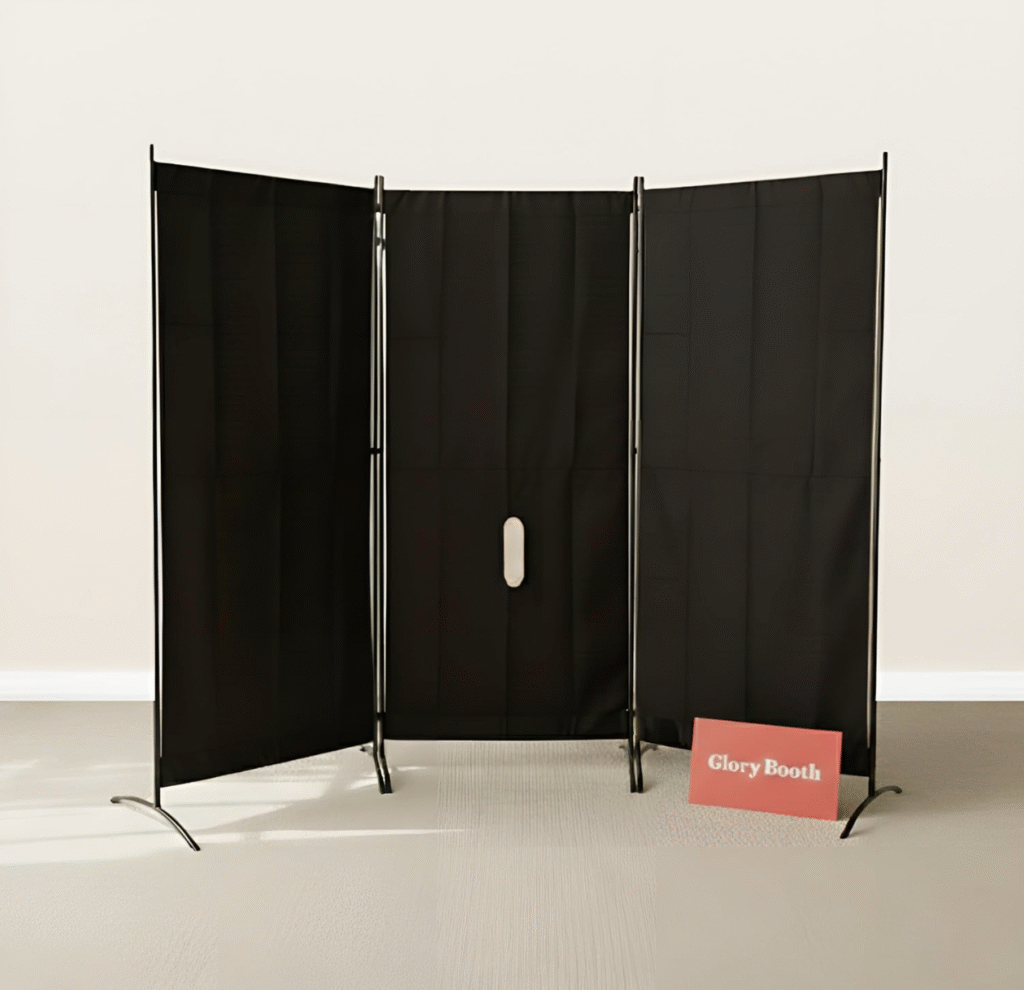
A portable glory hole offers privacy, stability, and discretion without permanent modification. It can be set up when needed and stored away afterward.
For many, the cost of materials, tools, and time spent experimenting exceeds the price of a ready-made solution.
This is why purpose-built options designed specifically for home use have become popular.
You can see one such option here:
View the portable glory hole on Amazon
If you want to explore the broader concept and different formats, this page provides an overview of modern glory hole setups: https://gloryholetogo.com/gloryhole
DIY Versus Portable: A Realistic Comparison
DIY glory holes appeal because they seem inexpensive and customizable.
Portable solutions appeal because they are designed, tested, and reversible.
For renters, shared households, or anyone who values discretion, portability usually wins.

Final Thoughts on DIY Glory Hole Projects
Building a DIY glory hole can be an educational project, but it comes with real trade-offs.
Understanding those trade-offs helps people decide whether experimenting is worth it or whether a ready-made solution better fits their lifestyle.
Knowing both paths allows for deliberate choice rather than trial and error.
Frequently Asked Questions About DIY Glory Hole
Is it possible to build a DIY glory hole at home
Yes, but it requires careful planning, proper materials, and attention to safety and discretion.
What is the biggest risk with a DIY glory hole
Permanent damage, instability, and safety issues are the most common risks.
Are DIY glory holes renter friendly
Most are not, especially those involving wall or door modifications.
Why do people switch from DIY to portable options
Portability, discretion, and ease of storage are the main reasons.
Is a portable glory hole safer than DIY
Purpose-built portable options are generally safer because they are designed and tested for the specific use.
Can a glory hole setup be stored discreetly
Portable solutions are designed specifically to be stored out of sight when not in use.