
How to Sanitize Sex Toys: Complete Guide by Material
By Jake Turner · Senior Editor · May 2025
Cleaning and sanitizing are different things. Cleaning removes visible residue. Sanitizing kills bacteria, viruses, and other pathogens on the toy surface. For solo use toys, cleaning after every use is typically sufficient. For toys shared between partners, after illness, or after anal-then-vaginal use, sanitization is the appropriate step.
The correct sanitization method depends entirely on the toy’s material — and the wrong method can damage the toy as badly as not sanitizing at all. This guide covers every common sex toy material with the correct sanitization protocol for each.
In This Article
Non-Porous vs. Porous: Why It Matters
Non-porous materials (silicone, stainless steel, glass, ABS hard plastic) can be fully sanitized and sterilized because pathogens cannot penetrate below the surface. Thorough cleaning followed by the appropriate sanitization method eliminates contamination risk.
Porous materials (TPE, TPR, rubber, jelly, PVC) have microscopic channels and voids in the material. Bacteria and viruses penetrate below the surface during use and cannot be removed by any surface cleaning or sanitization method. Porous toys cannot be sanitized for shared use — the only safe approach is barrier protection (condom) for each user.
Sanitizing Silicone Toys
Non-motorized silicone: the most complete sanitization method available for home use. Option 1 — Boiling: submerge in boiling water for 3 minutes. Remove with tongs, allow to cool, air dry. Kills bacteria, viruses, and most pathogens. Option 2 — Dishwasher: top rack, no detergent, no heated dry cycle. The heat from the dishwasher cycle provides sanitization. Option 3 — Bleach solution: mix 1 part unscented bleach to 10 parts water, soak toy for 10 minutes, rinse very thoroughly with clean water, air dry.
Motorized silicone toys: cannot be boiled or dishwashed. Clean with toy cleaner and warm water, wipe with damp cloth. For additional sanitization: diluted toy cleaner spray on surface, allow contact time, rinse with damp cloth. Use a fresh condom for sharing a motorized toy regardless.
Sanitizing Stainless Steel and Glass Toys
Stainless steel: boiling (3 minutes), bleach solution (10:1 water to bleach, 10 minutes soak, thorough rinse), or 70% isopropyl alcohol wipe (safe on metal — not silicone) with 5-minute contact time. Steel is the most tolerant material for sanitization — all three methods work effectively.
Glass: boiling works but avoid thermal shock — place in cold water, bring to boil slowly, remove and allow to cool in water. Bleach solution works well for glass. Isopropyl alcohol wipe is also effective. Always inspect glass toys for chips or cracks before use — never use a chipped glass toy.
Sanitizing ABS Hard Plastic Toys
ABS plastic (the hard plastic in wand handles, vibrator bodies, and external casing): do not boil — heat warps ABS plastic. Cleaning with toy cleaner and water followed by isopropyl alcohol (70%) wipe with 5-minute contact time, then air dry, is the appropriate sanitization protocol. The alcohol is safe on hard plastic (not silicone or TPE) and provides effective pathogen elimination.
Special Case: Fully Waterproof Motorized Toys
Toys rated IPX7 can be briefly submerged in water — this improves cleaning but does not sterilize. Submersion in the bleach solution protocol is not recommended for motorized toys as bleach can damage seals and electronics over repeated exposures. For IPX7 motorized silicone toys, cleaning with toy cleaner under running water plus surface wipe with diluted toy cleaner provides the best practical sanitization.
Sanitizing After Illness
If you’ve used a toy while ill (cold, flu, STI), sanitize according to the material protocol before next use. For viral illness: the bleach solution or boiling protocol for appropriate materials; isopropyl alcohol wipe for ABS plastic. For bacterial illness or STI treatment period: same protocols. Most viruses are inactivated by the bleach protocol or 3-minute boiling within seconds — the 10-minute soak time provides significant margin.
Between Partners
The protocol for shared toy use: clean the toy with toy cleaner immediately after use by the first partner. Sanitize according to material (boil or bleach for non-motorized non-porous toys). Allow to dry completely. Then use by the second partner. For motorized toys or porous toys: clean, then use with a fresh condom for each partner — there is no adequate sterilization protocol for these without barrier protection.
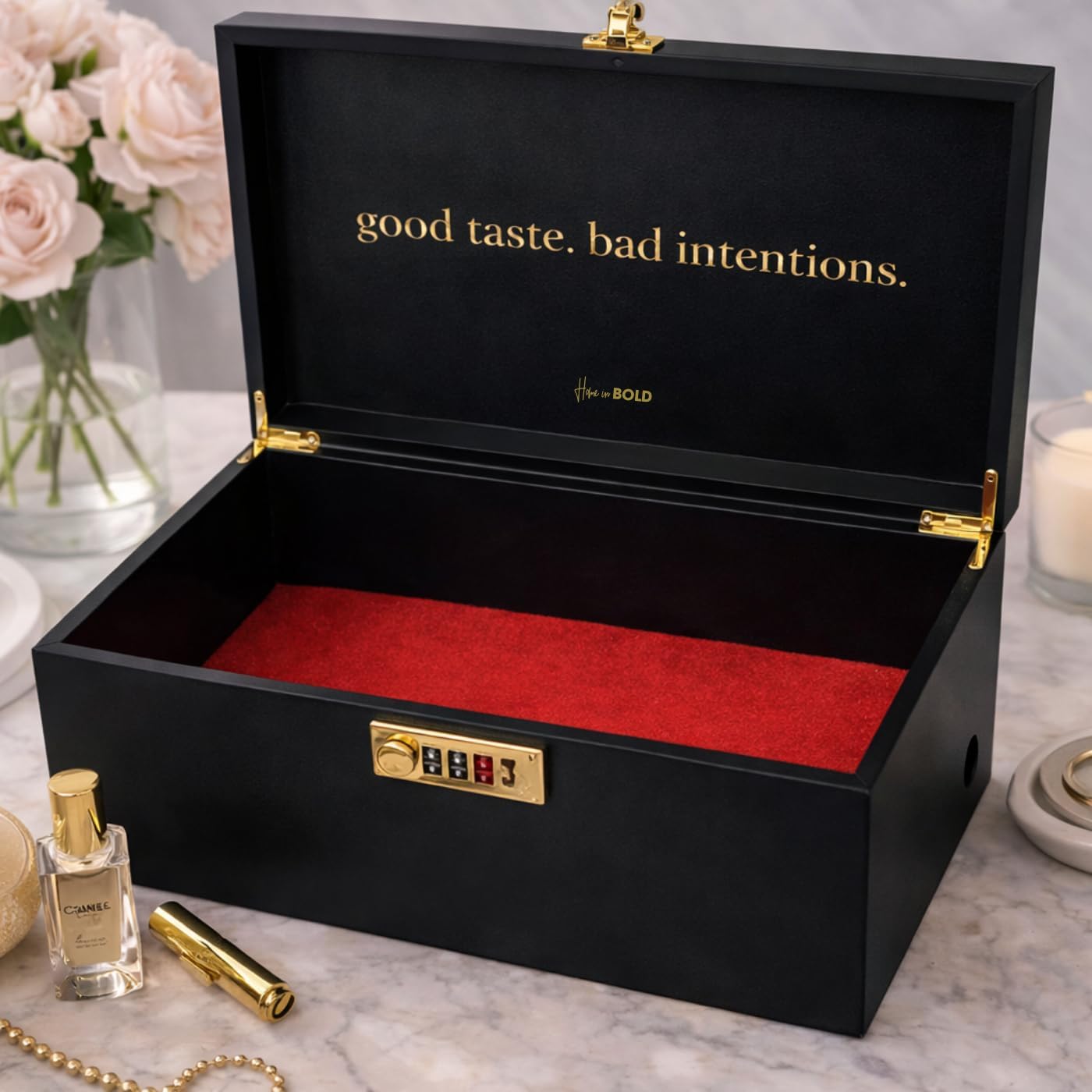
Store sanitized toys in clean individual pouches in a lockable storage box — ready for safe use without needing to re-sanitize at the next session as long as the toy has been stored cleanly.
| Material | Boiling | Bleach (10:1) | Isopropyl Alcohol | Shared Use Protocol |
|---|---|---|---|---|
| Silicone (non-motorized) | Yes — 3 min | Yes — 10 min + rinse | No — damages material | Boil or bleach between partners |
| Stainless steel | Yes — 3 min | Yes — 10 min + rinse | Yes — safe on metal | Any of the three methods |
| Glass (no damage) | Yes — slow heat | Yes — 10 min + rinse | Yes — wipe + 5 min | Boil, bleach, or alcohol |
| ABS hard plastic | No — warps | No — damages over time | Yes — wipe + 5 min | Isopropyl alcohol wipe |
| Silicone (motorized) | No — destroys electronics | No | No — damages silicone | Fresh condom per partner |
| TPE / porous | No | No | No — damages material | Fresh condom per partner — cannot sanitize |
Keep Every Toy Clean, Organized and Ready
Porous sex toy materials (TPE, rubber, jelly) cannot be sanitized by any method. The only safe approach for shared use of porous toys is a fresh condom for each user.
Related Articles
Store Clean Toys in a Clean System
Purpose-built lockable box with velvet lining. Always ready when you are.
Frequently Asked Questions
Jake Turner
Senior Editor · GloryHoleToGo
Jake has spent over a decade reviewing sexual wellness products and storage solutions. His brand care guides draw on official manufacturer documentation, direct product testing, and consultation with sex educators. Where manufacturer specifications were unavailable or varied by model, this is noted explicitly in the article.