
How to Suggest a Sex Wedge to Your Partner
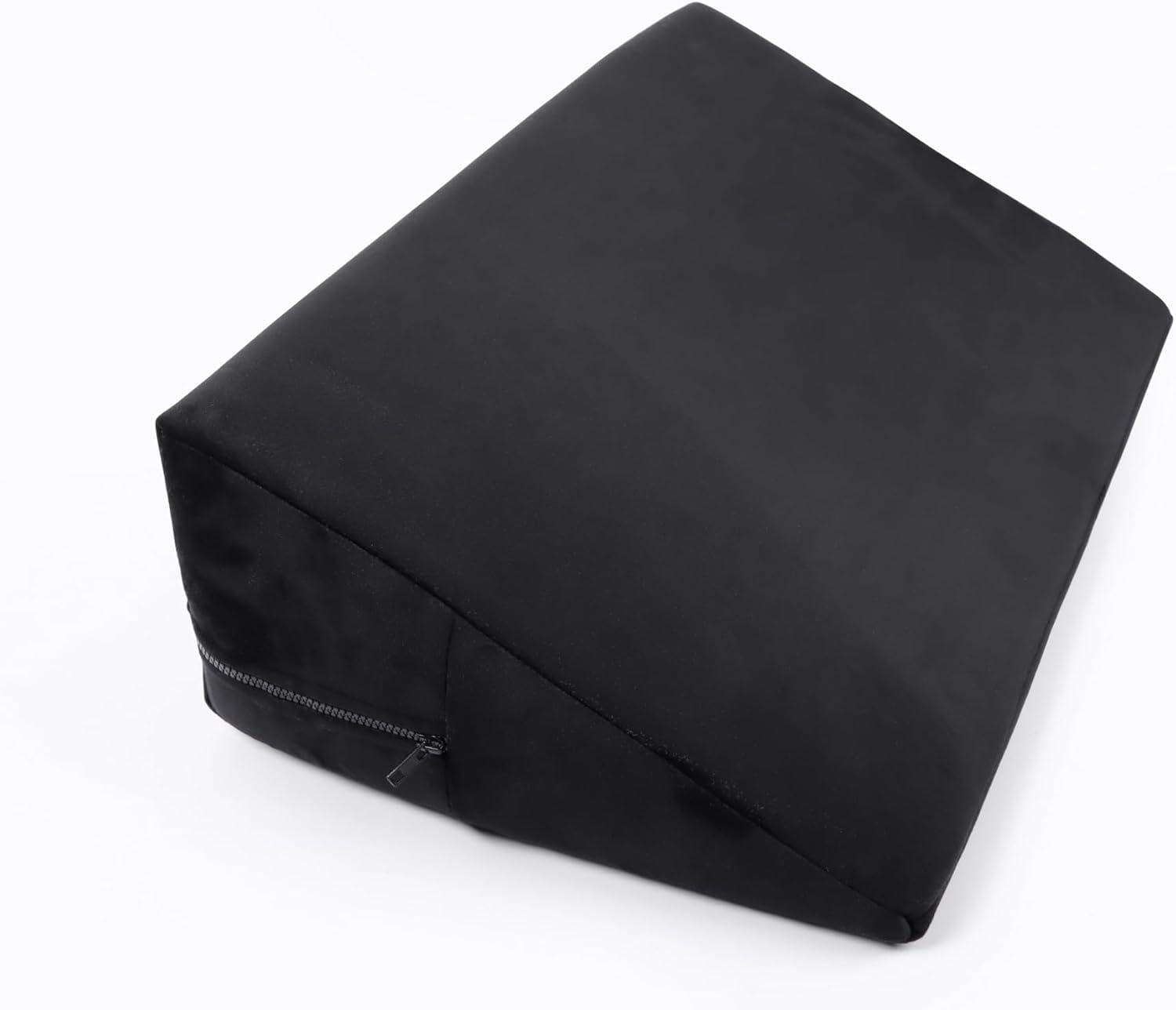
You’ve been researching sex positioning furniture and you want to try a wedge and ramp combo — but you’re not sure how to bring it up with your partner. This is one of the most common blocks between people and an intimate purchase they’d genuinely benefit from. The conversation feels bigger than it is, and framing it right makes all the difference.
Why the Conversation Feels Hard
Suggesting sex furniture can feel like it implies the current sex life is inadequate — that something is broken and needs fixing. This framing, however unintentional, activates defensiveness in partners who hear “what we’re doing isn’t good enough.” The actual message — “I found something that could make what we do even better” — rarely lands that way without deliberate framing.
Understanding this dynamic is half the battle. The goal is framing the wedge as an addition, not a correction.
See the Wedge & Ramp Combo on Amazon
When and How to Bring It Up
Not immediately before or after sex. The conversation feels lower-stakes when it happens in a relaxed, non-sexual context — while cooking together, during a walk, or any time you’re both comfortable and there’s no implied pressure to act on it immediately.
Lead with curiosity rather than a request. “I’ve been reading about sex positioning furniture and it sounds interesting — have you heard of it?” is a much lower-pressure opener than “I want to buy a sex wedge.” The first invites a conversation; the second can feel like a demand.
The Framing That Works
Position it as something you’re interested in exploring together — new terrain, not a fix for a problem. If there are physical factors (back pain, knees, pregnancy), those make natural entry points: “I’ve been thinking about the knee thing during sex and I read that a positioning wedge actually helps with that — would you be open to trying it?”
Physical benefit framing removes any implication that desire or chemistry needs improvement. It’s practical: this helps our bodies. This is much easier for most partners to hear.
Most couples who try the wedge together wish they’d brought it up sooner. See it on Amazon.
If Your Partner Is Hesitant
Don’t push in the same conversation. Let it sit. A partner who was uncertain initially often becomes curious within a few days of having heard the idea. A second conversation that starts with “I was thinking more about that positioning pillow thing” is much more likely to land than pressing in the first discussion.
Some partners want to see what it actually is before they’re comfortable committing. Showing them the product page, letting them read about it, or pointing to reviews can make the abstract concrete. Once they understand it’s a foam wedge with a washable cover rather than something intimidating, hesitancy often evaporates.
The Low-Commitment Introduction
Frame it as a one-session experiment: “Can we try it once and if either of us doesn’t like it, we don’t have to use it again?” This reduces the stakes to nearly zero. In practice, couples who try it once almost universally want to keep using it.
Try the Wedge & Ramp Combo Together
Frequently Asked Questions
What if my partner thinks I’m dissatisfied with our sex life?
Address this directly: ‘I love our sex life — I just read about this and thought it could be even better.’ Preemptively naming the potential misread removes its power.
Is it weird to suggest sex furniture?
Less weird than it feels from the inside. Sex wedges are mainstream products sold by major retailers. The awkwardness is mostly anticipatory — in most relationships, the conversation is easier than expected.
What if my partner is embarrassed by the idea?
Don’t push. Let it be a slow conversation rather than a decision required immediately. Most embarrassment comes from novelty, not genuine objection, and fades with familiarity.
Should I just buy it and present it as a done deal?
This can work in relationships where spontaneous initiatives are welcome, but it risks your partner feeling pressured to engage without having agreed. A brief conversation first is usually better.
What if I’m the less adventurous partner and my partner suggested this?
Start with the practical angle. If there are any physical factors that positioning could help with, those are your entry point to engaging with the idea. Trial and error from a place of genuine curiosity removes the pressure.