
Intimacy After Medical Recovery: When to Resume and How to Make It Comfortable
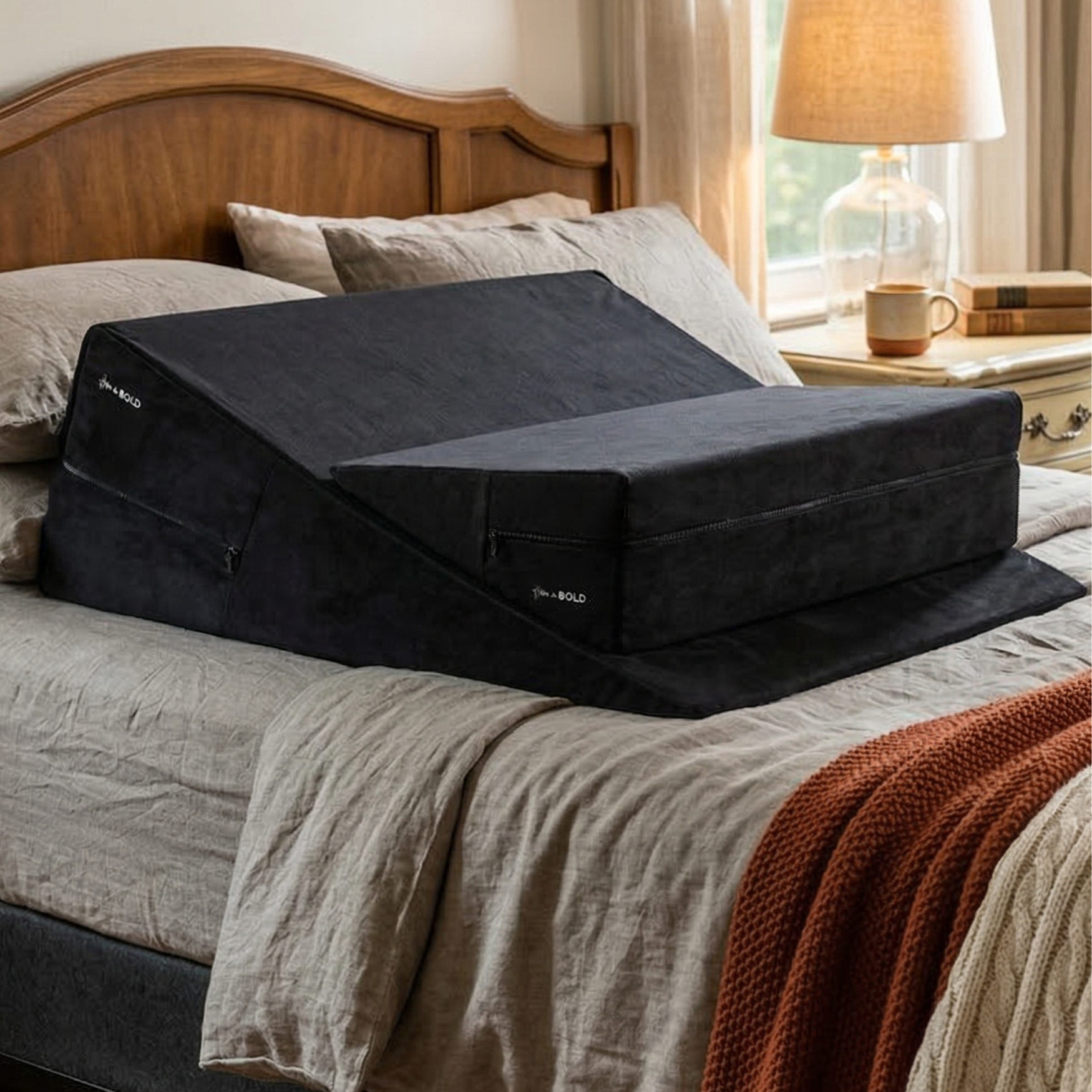
Medical events — surgery, serious illness, cardiac procedures, joint replacement, cancer treatment — create a break in intimacy that often goes unaddressed in the formal recovery process. Doctors discuss wound healing timelines, medication side effects, and physical therapy milestones. They rarely discuss when and how it’s safe to resume sexual activity, and almost never discuss how to make it comfortable when bodies have changed. This article addresses both.
The Question of Timing
Timing depends entirely on the type of procedure or illness. For abdominal surgery, the general guidance is typically 4–6 weeks before penetrative sex — but this varies by procedure and individual healing. Cardiac events generally recommend waiting until you can climb two flights of stairs without symptoms (a rough but practical benchmark). Hip and knee replacements come with specific movement restrictions that apply to intimacy just as they do to exercise. Cancer treatment timelines depend on treatment type and what’s being treated.
The only reliable advice here is: ask your care team directly. If they don’t raise it, you raise it. It’s a legitimate medical question and any doctor or nurse who handles it awkwardly is doing their job less well than they should be.
See the Wedge & Ramp Combo on Amazon
How a Positioning Wedge Helps During Recovery
The common challenge after medical events is that the body can’t comfortably hold positions it previously found effortless. A hip replacement requires avoiding certain flexion angles. Abdominal surgery makes any position involving core contraction uncomfortable. Cardiac recovery involves conserving exertion. In all of these cases, the goal is finding positions where the body is supported passively — where the furniture does the structural work and the person doesn’t have to.
A ramp is particularly valuable in recovery contexts because it provides full-body support. The recovering partner can lie along the slope with minimal active positioning required. Their joints aren’t under load, their incision sites aren’t being compressed, and they’re not exerting themselves to maintain a position. This is meaningfully different from trying to use a pile of regular pillows, which shift, compress, and require constant readjustment.
The GloryHoleToGo ramp holds its position and shape throughout a session — no readjusting, no sliding. For someone in recovery, removing that variable matters. See it on Amazon.
Position Recommendations by Recovery Type
Hip replacement: Avoid positions that bring the knee toward the chest beyond 90 degrees, or that cross the midline. Side-lying on the unaffected side with a wedge between knees is generally safe within typical restrictions — but verify with your surgeon for your specific procedure and implant.
Abdominal surgery: Positions where the recovering partner is passive — lying on the ramp with their partner doing more of the physical work — reduce core engagement from the operated side. Avoid anything where they’re bearing down or using abdominal muscles to hold position.
Cardiac recovery: Lower exertion positions for both partners. The ramp reduces the overall physical work for both. Side-lying is often the most appropriate early on.
Cancer treatment: Highly individual. Fatigue, nausea, and treatment effects vary widely. On better days, the wedge under hips in a face-up position allows intimacy with minimal exertion from the person in treatment.
Get the Wedge & Ramp Combo
Frequently Asked Questions
How do I bring up resuming intimacy with my doctor?
Directly: “When is it safe to resume sexual activity, and are there any restrictions I should know about?” Most providers will answer clearly if asked this specifically. If they’re vague, ask them to be specific about the concern they’re working around.
What if one partner is scared of hurting the recovering partner?
That fear is real and worth discussing directly. Agree on a word or signal that means “stop or slow down” and use it freely. Starting with low-intensity, low-exertion options also reduces the stakes of the first attempt.
Can a positioning wedge help with incision site sensitivity?
Potentially — by eliminating positions that put pressure on the incision area. The wedge redirects which body parts are in contact with surfaces. But positioning alone won’t substitute for letting tissue heal fully.
Is intimacy safe after a heart attack?
Generally yes, once cleared by your cardiologist. The exertion of sex is comparable to climbing two flights of stairs at a moderate pace — if you can do that without symptoms, sex is typically in range. Your cardiologist will give you a specific timeline based on your case.
What if I just don’t feel like myself physically after a medical event?
That’s a very common experience — body image, medication effects, fatigue, and changed physical sensations all affect desire and comfort. Reconnecting physically doesn’t have to start with sex. Non-sexual physical closeness — touch, massage, simply being physically present — is a valid and often helpful starting point.