
If you’re comparing a milking table vs sex furniture, the core difference is simple: a milking table serves one specific purpose, while traditional sex furniture supports many positions and uses. A milking table focuses on access and positioning. Other sex furniture focuses on comfort and flexibility. Both improve stability and support, but they solve different problems in a home.
This guide explains the differences from a furniture point of view. It looks at design, materials, storage, and daily use so you can decide which option fits your space and needs.
What makes a milking table different from other sex furniture?
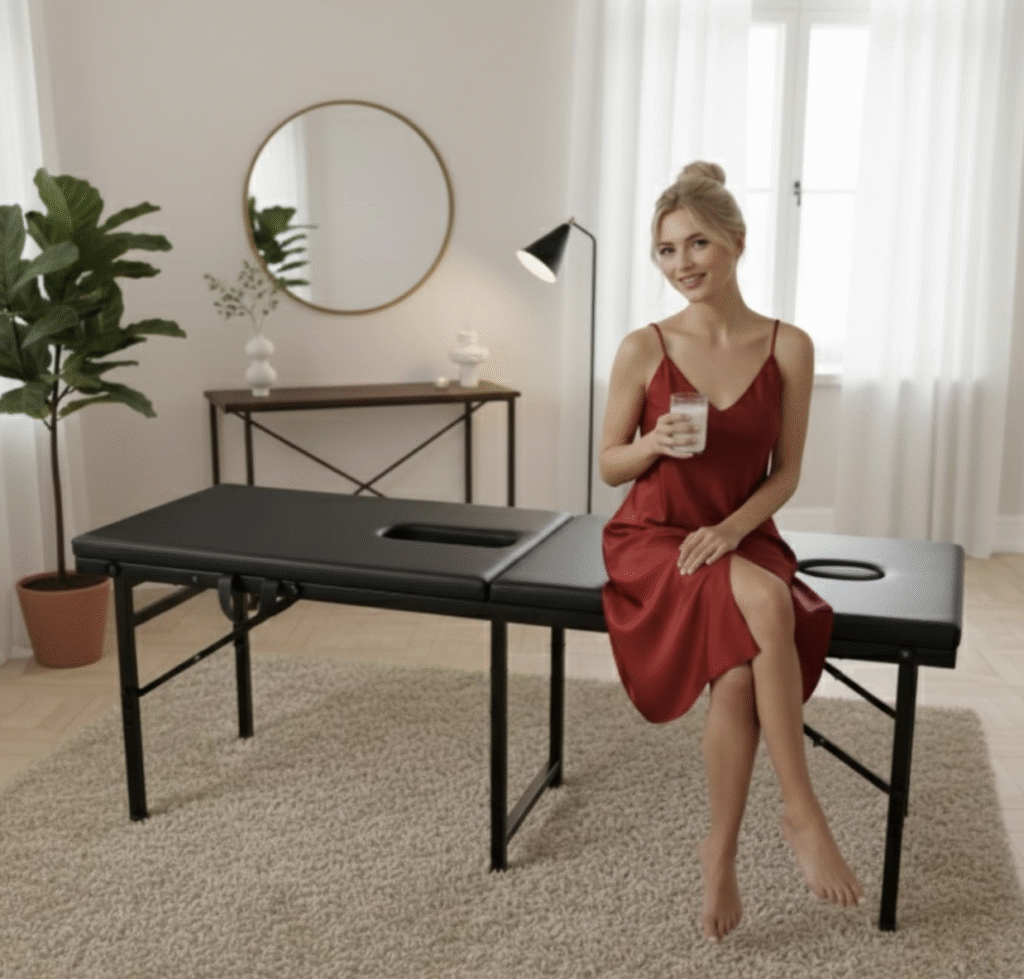
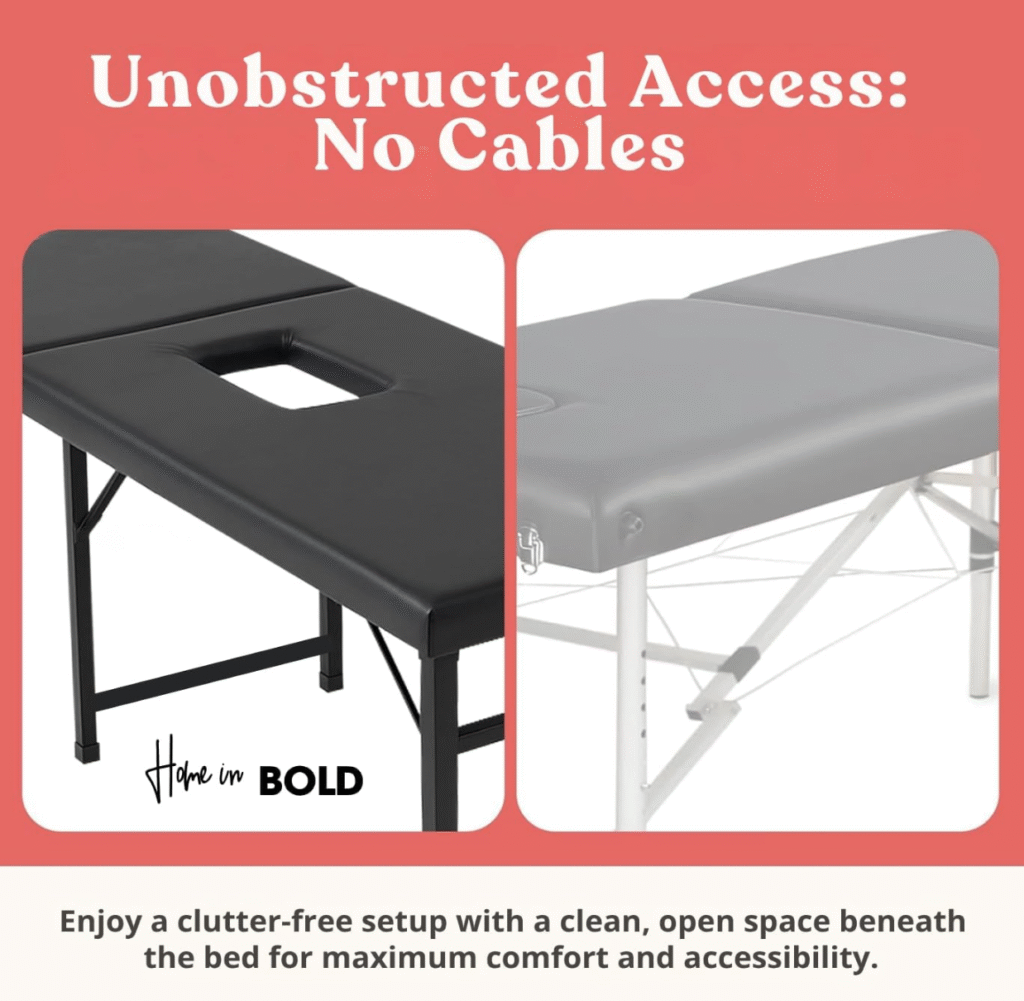
A milking table works more like a specialized table than a chair or lounger. Its key feature is the opening in the top and the clear space underneath. That design choice defines how people use it.
Three things matter most.
First, the open under-frame layout. Most benches and chairs use crossbars or panels under the seat. A milking table keeps this area clear on purpose. This gives full access from below and prevents the frame from getting in the way. To stay stable without center supports, the frame uses stronger side rails and a rigid outer structure.
Second, the tabletop does most of the work. The user stays on top of the table, usually face down or forward. The surface supports most of the body weight. Because of this, padding, size, and surface material matter more than on many other pieces. For example, Home in Bold’s table uses a steel frame, a foldable structure, and a wipe-clean PU leather surface. You can see the full layout on the Home in Bold milking table product page.
Third, the table has a single purpose. A milking table does not try to replace a chair or lounger. It focuses on one use and does it well. If you want a broader explanation of how these tables fit into home use, read Milking tables explained: purpose and home use.
In short, a milking table works like a dedicated tool, not a general furniture piece.
How traditional sex furniture is designed and used
The term “sex furniture” covers many products. This group includes chairs, wedges, loungers, benches, and modified recliners.
Most of these items focus on flexibility. A chair can support sitting, leaning, or reclining. A bench can work from several angles. A wedge can combine with other furniture. These products try to cover many situations with one piece.
Because these designs do not need open access underneath, they usually use closed bases or cross supports. This makes them easier to stabilize. It also means they cannot offer the same under-frame access as a milking table.
Many of these pieces also look more like normal furniture. Some resemble ottomans or lounge chairs. Others blend into a bedroom more easily. This matters if you care about how the room looks when the furniture stays out.
Most chairs and loungers also focus on back support, arm support, and reclining angles. They support the person using the furniture. They do not focus on what happens under or around the frame.
Traditional sex furniture works well for many situations. It does not replace what a milking table does.
Materials, stability, and storage in a real home
From a furniture point of view, build quality matters.
A milking table needs a rigid frame because all weight sits on the tabletop and the center stays open. That is why good models use steel or heavy-duty metal. Traditional sex furniture can sometimes use wood or lighter metal because the load spreads across more points.
Both types usually use PU leather or vinyl surfaces. These materials clean easily and resist moisture. The difference lies in wear patterns. A milking table puts most contact on one main surface. Chairs and loungers spread wear across several areas.
If care and storage matter to you, you may also want to read How to clean and store a milking table properly. Most of the same rules apply to other padded furniture.
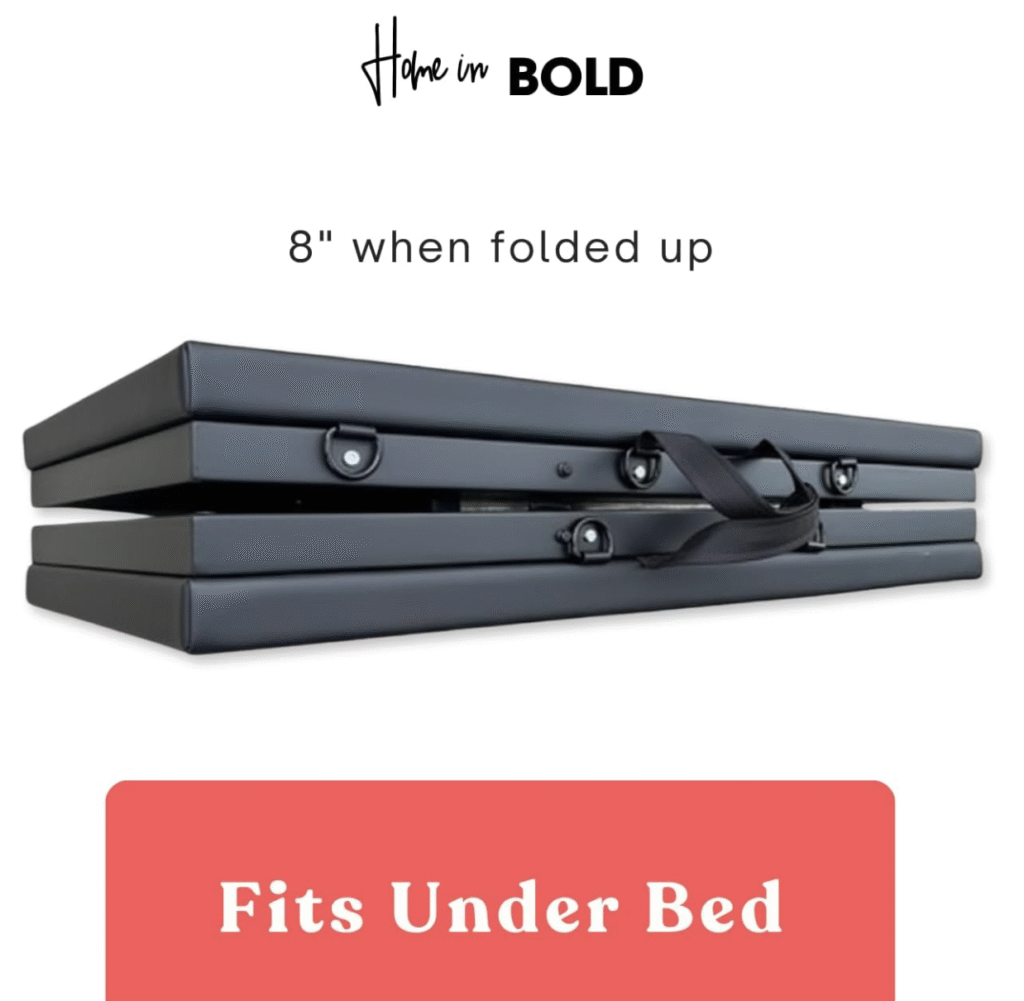
Storage also changes the decision. Many milking tables fold flat and slide under a bed or into a closet. They take up little space when stored. Chairs and benches often take less space when in use, but many do not fold. They usually need a corner or a permanent spot in the room.
So the real question is not only size. It is how you plan to store the piece.
How to choose between a milking table and other sex furniture
When you compare a milking table and the sex furniture, start with one question: what do you want the furniture to do?
A milking table makes sense if you want a dedicated setup for that specific use. It also works better if access and positioning matter more than flexibility. You should also feel comfortable owning a piece that serves one main purpose. Storage space for a foldable table also helps.
Traditional sex furniture makes more sense if you want one piece for many uses. It also fits better if you care more about general comfort and different positions. These pieces work well if you want something that looks more like normal furniture. They also suit people who do not need open access under the frame.
Some people own both. Each type fills a different role.
If you want to see how a modern table fits into a home, look at the Home in Bold milking table page. It shows the size, folding design, and overall structure clearly.
Conclusion
The difference between a milking table and traditional sex furniture comes down to focus versus flexibility. A milking table serves one clear purpose and optimizes for access and positioning. Traditional sex furniture supports many positions and blends more easily into normal room layouts.
When you think in terms of build, storage, and daily use, the right choice usually becomes obvious.