
Postpartum Sex: Physical Recovery, Timing, and Comfortable Positions
By Jake Turner · Senior Editor · January 2026
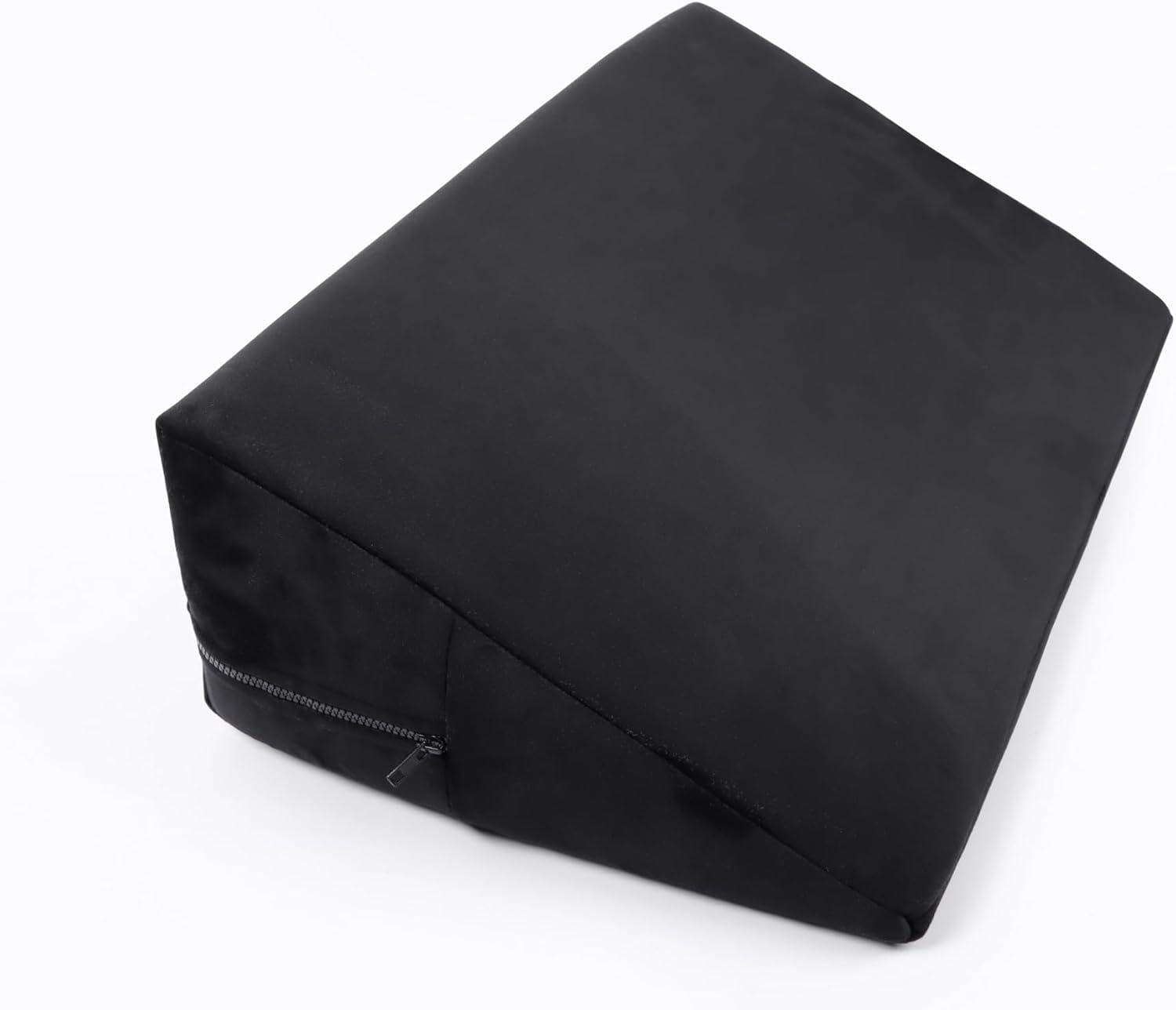
The standard postpartum sex advice — ‘wait six weeks’ — is both too simple and not quite right. Healing after childbirth is complex, varies enormously, and the 6-week clearance doesn’t mean you’ll feel ready. We’ve covered the emotional dimension of intimacy after having children in our guide to sex after baby. This article focuses specifically on the physical recovery side: what’s changed in your body, what that means for sex, and which positions and tools make the transition most comfortable.
In This Article
What’s Physically Changed After Birth
After vaginal birth, the vaginal tissues have been significantly stretched and often torn or cut (perineal laceration or episiotomy). These heal within the 6-week window for most people, but healing doesn’t mean fully restored — scar tissue at the perineum can remain tender for months and some women experience narrowing or tightening in the area of repair. After C-section, the abdominal incision and underlying fascial layers require time to heal — internal healing takes longer than the visible scar closure. The uterus itself undergoes involution (shrinking back to pre-pregnancy size) over 4–6 weeks, often causing cramping with orgasm in the first weeks. The ACOG postpartum care guidelines provide the clinical framework for what’s happening in each phase.
For C-section-specific considerations, our dedicated guide to sex after C-section covers scar protection and safe positions in more detail.
The 6-Week Rule and What It Actually Means
The 6-week clearance is based on the time required for the cervix to close (preventing uterine infection) and for perineal/uterine healing to progress enough for penetration to be safe. It’s a minimum guideline, not a green light. Many people aren’t physically ready at 6 weeks — particularly those with 3rd or 4th degree perineal tears, infection complications, or difficult deliveries. Conversely, some people are ready and comfortable before 6 weeks with non-penetrative intimacy. The key marker is the OGBYN or midwife clearance at the postnatal check — not the calendar date.
Positions That Respect Postpartum Healing
The priorities postpartum: avoiding perineal pressure (for vaginal births), avoiding abdominal strain (for both delivery types), and giving the receiving partner full control over depth and speed. Side-lying positions are generally the first recommendation — no pressure on the perineum, no abdominal engagement, natural depth limitation. A wedge between the knees in spooning supports hip alignment and reduces pelvic strain. For couples where the vaginal-birth partner wants to resume on top, a wedge under their knees provides support without requiring them to hold their weight on a potentially tender perineum. See the complementary discussion in our guide to sex after baby.
Hormonal Dryness and How to Address It
Breastfeeding suppresses estrogen, causing vaginal atrophy and dryness that can make postpartum sex significantly more uncomfortable than expected — even for women who had no dryness pre-pregnancy. This is not a permanent condition and resolves when breastfeeding ends or reduces, but during the breastfeeding period it requires consistent lubrication use. Silicone-based lubricants are generally preferred for postpartum dryness — they last longer and provide better cushioning for sensitive healing tissue. Healthline’s postpartum sex guide covers this hormonal mechanism in accessible detail.
| Delivery Type | Primary Concern | Recommended First Positions | Positioning Aid Role |
|---|---|---|---|
| Vaginal (uncomplicated) | Perineal tenderness | Side-lying, receiver on top | Wedge between knees/under hips |
| Vaginal (3rd/4th degree tear) | Significant perineal healing | Side-lying, minimal penetration depth | Wedge supports without perineal pressure |
| C-section | Abdominal scar, core weakness | Side-lying, positions avoiding core tension | Wedge reduces need for core engagement |
| ⭐ Either delivery + wedge (Our Pick) | Both physical healing + dryness | Modified side-lying with wedge support | Best overall postpartum setup |
See the Wedge & Ramp Combo on Amazon
Breastfeeding-related vaginal dryness is extremely common and is not a signal that your body isn’t ready for sex — it’s a hormonal side effect of lactation. Quality lubricant every single time, without exception, is the appropriate response. This is a practical need, not an optional enhancement.
Related Articles
Our Pick: Wedge & Ramp Combo Set
Supports healing bodies · side-lying positions · easy to clean
Frequently Asked Questions
Jake Turner
Senior Editor · GloryHoleToGo
Jake has spent over a decade reviewing sexual wellness products, positioning aids, and intimacy furniture. His recommendations draw on hands-on product testing, consultation with certified sex therapists, and analysis of thousands of verified buyer reviews.