
Sex After Menopause: How a Positioning Aid Addresses the Real Challenges
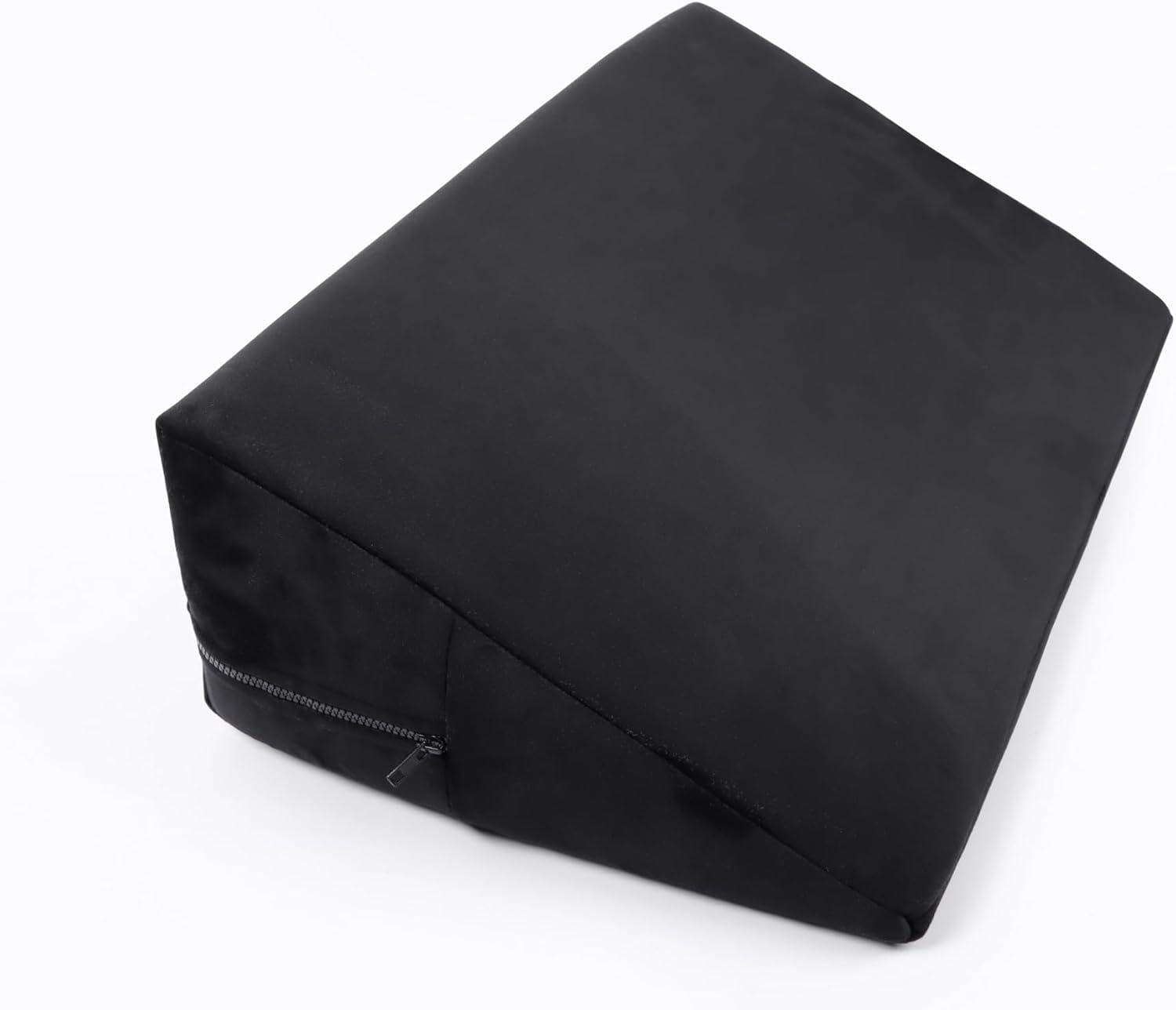
Menopause is not the end of a satisfying sex life — but it is a transition that changes the physical landscape of intimacy in ways that deserve direct, practical attention. Vaginal dryness, tissue changes, reduced natural lubrication, and in some cases pelvic floor changes all affect how certain positions feel. Ignoring these changes and hoping things go back to how they were is less useful than understanding what’s changed and adapting. A positioning wedge is one adaptation that addresses multiple challenges simultaneously.
What Actually Changes With Menopause
The primary driver of physical change during and after menopause is estrogen decline. Estrogen maintains vaginal tissue health, elasticity, and lubrication. Its decline causes the genitourinary syndrome of menopause (GSM) — a collection of changes including vaginal dryness, thinning of vaginal walls, reduced elasticity, and sometimes increased sensitivity or discomfort during penetration. These changes don’t resolve without intervention, and they’re compounded if penetrative sex becomes infrequent.
Joint and muscle changes also accelerate in the post-menopausal period. Positions that were comfortable at 45 may be significantly less comfortable at 55 — and this isn’t separate from menopause, it’s part of the same hormonal shift.
See the Wedge & Ramp Combo on Amazon
How Positioning Reduces Physical Discomfort
The angle of penetration is one of the most controllable variables in managing discomfort related to tissue changes. Positions that involve deep, direct cervical pressure are often the most uncomfortable after menopause — and certain angles accentuate this while others avoid it. A wedge under the hips shifts the penetration angle forward, which for many people moves pressure away from the areas most affected by tissue changes.
Positions that allow the receiving partner to control depth and pace — cowgirl variants, modified missionary — are often most comfortable. The wedge under the hips in modified missionary creates the angle change that makes the position both more comfortable and more pleasurable without requiring the receiving partner to actively manage depth.
Managing discomfort during sex after menopause involves multiple approaches — lubrication, medical treatment, and positioning. The wedge addresses the positioning variable. See it on Amazon.
The Medical Side: What Else to Consider
A positioning wedge is not a substitute for addressing the underlying hormonal changes. Vaginal estrogen (topical, applied locally) is the most effective treatment for GSM and does not carry the systemic risks associated with oral hormone therapy. Lubricants — both during sex and as regular moisturizers — are essential for tissue health. A gynecologist or menopause specialist is the right person to discuss these options with.
The combination of appropriate lubrication, possibly topical estrogen, and positioning support typically produces the most significant improvement in comfort. No single element handles the full picture on its own. For age-related intimacy more broadly, see our article on sex after 60, and our guide on sex after 50.
Get the Wedge & Ramp Combo
Frequently Asked Questions
Does regular sex during menopause help with symptoms?
Regular sexual activity — including solo activity — helps maintain vaginal tissue health through increased blood flow. This is well-supported in the research. Infrequent activity allows atrophic changes to progress faster.
Which positions are best after menopause?
Positions that allow depth control by the receiving partner, avoid deep direct cervical pressure, and don’t require sustained joint effort. Cowgirl and modified missionary (with wedge) are most commonly recommended. Avoid positions that require extreme hip flexion.
Is vaginal dryness after menopause permanent?
Without treatment it tends to be ongoing and can progress. With treatment — topical estrogen, lubricants, regular sexual activity — most people see significant improvement. It’s one of the most treatable symptoms of menopause.
How does a wedge reduce deep-thrust discomfort specifically?
By tilting the pelvis forward, the wedge shifts where internal pressure lands during penetration. The angle that most directly contacts the cervix in a flat position changes when the pelvis is tilted — often moving stimulation to areas that feel good rather than areas that feel painful.
Should I talk to a doctor before resuming sex after menopause?
If you’re experiencing significant discomfort, yes. GSM is a medical condition with effective treatments — and a menopause specialist or gynecologist can provide targeted help rather than leaving you to manage through positioning alone.