
Sex Toy Storage With Roommates: A Complete Privacy Strategy
By Jake Turner · Senior Editor · March 2026
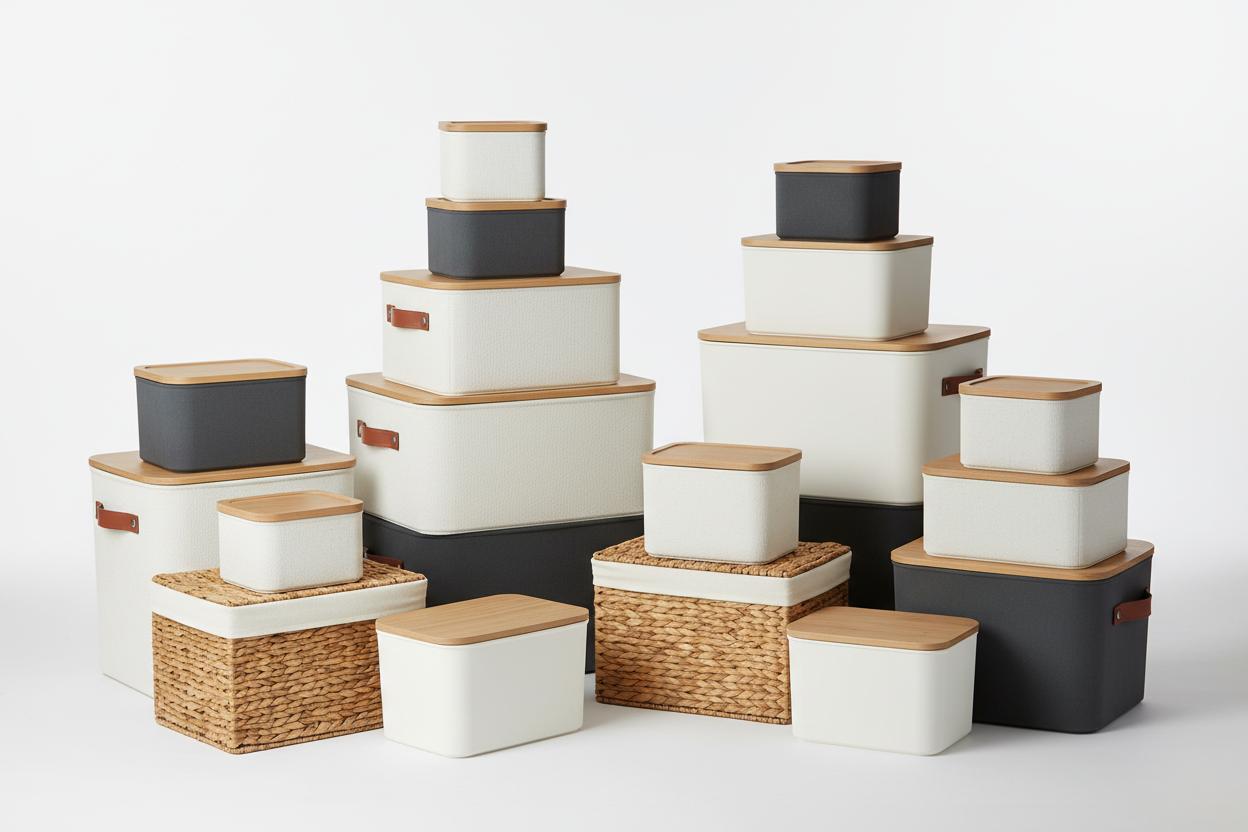
Living with roommates is the scenario that makes sex toy storage genuinely important rather than merely convenient. A roommate who enters your room to return borrowed items, a houseguest who uses your bathroom, a subletter who has access to your space — all of these scenarios create real privacy concerns around adult collections. The solution isn’t complicated, but it requires intentionality: the right container, the right lock, and the right placement working together. This guide addresses roommate-specific storage dynamics that shared-home guides often miss.
In This Article
Understanding the Roommate Privacy Dynamic
The privacy challenge with roommates is different from the challenge with children or family members. Roommates are adults who deserve and generally practice mutual respect — most roommates don’t go through each other’s personal spaces out of respect for privacy. But “generally don’t” is not “never will,” and the stakes of an accidental discovery are different with an adult roommate than with a child. An adult roommate who discovers your collection will register what they’ve found and might discuss it, share it with others, or simply change the nature of your relationship.
The goal of storage in a roommate situation isn’t necessarily to prevent a determined search — it’s to ensure that normal, legitimate access to your space (borrowing your charger, checking if you’re home, helping clean a shared area) doesn’t result in an accidental discovery. A locked box in a non-obvious location achieves this entirely. Even a curious roommate who notices the box has no way to access its contents without the combination, and the neutral exterior doesn’t communicate what’s inside.
Why a Lock Is Non-Negotiable With Roommates
In a fully private home (you live alone), a lock is a nice-to-have that primarily provides peace of mind about visitors. In a shared apartment, a lock is non-negotiable. Roommates enter each other’s spaces regularly — returning borrowed items, checking on pets, letting in a delivery. An unlocked box or drawer-stored collection relies entirely on social norms and the hope that your roommate’s natural respect for privacy is always active. A locked box removes that dependency entirely.
The code lock on the Home in Bold box provides exactly the right security for a roommate scenario. It’s not a high-security mechanism designed to resist determined break-in attempts — it’s a barrier that prevents casual access by anyone who doesn’t know the combination. Against the realistic threat model of a roommate situation, this is more than adequate. A roommate who encounters a locked wooden box in your room will assume it contains personal valuables (documents, jewelry, sentimental items) — not adult toys — and move on.
Placement in a Shared Apartment
Placement strategy in a roommate apartment has two priorities: keep the box in your personal space (not in shared areas like the living room or bathroom), and within your personal space, choose a location that minimizes the probability of a roommate encountering it during legitimate access to your room. The best placements in a shared apartment: inside your bedroom closet on a shelf; inside a personal dresser or wardrobe (if large enough); under your bed; on a bedroom shelf in context with other personal items.
Avoid storing in the bathroom regardless of whether it’s a private bathroom — bathrooms have high humidity and, in shared apartments, often have more shared access than expected. The bedroom is the right location, with closet storage being the gold standard for roommate situations.
Managing Access Points to Your Space
A lockable storage box handles the “contents are secure” dimension. The “contents are never seen” dimension benefits from an additional layer: a bedroom door lock. Most bedroom doors in apartments have or can accommodate a simple privacy door knob lock or a deadbolt. A door lock plus a storage box lock provides complete two-layer security: your room is private when you’re not home (door lock), and even if your room is accessed, your collection is inaccessible (box lock).
If your bedroom doesn’t have a lock (common in some shared apartments), the storage box lock handles the direct security need. Place the box in a location that’s not immediately visible when the door opens — inside a closet, under the bed, or on a shelf behind other items — to add a location-based layer to the box lock’s security.
| Roommate Scenario | Risk Level | Minimum Storage Need | Recommended Setup | Additional Layer |
|---|---|---|---|---|
| Respectful roommate, infrequent room access | Low-Medium | Locked box | Home in Bold box, closet shelf | Optional door lock |
| Friendly roommate, frequent casual access | Medium-High | Locked box, non-obvious placement | Home in Bold box, inside closet | Door lock recommended |
| New or unknown roommate | High | Locked box + door lock | Home in Bold box + door lock | Both strongly recommended |
| Subletter or temporary roommate | Very High | Maximum security protocol | Home in Bold box + door lock + discreet placement | Both essential |
| ⭐ Any roommate situation | Varies | Always: locked box | Home in Bold box, bedroom closet | Door lock as available |
Secure Your Collection in Any Living Situation
The Home in Bold storage box — code lock, neutral exterior, premium wood — is the right solution for any roommate living situation. A locked wooden box in a bedroom closet is unbreachable to any roommate who respects normal privacy norms.
Related Articles
Roommates Don’t Need to Know
Neutral exterior. Code lock. Bedroom closet placement. Done.
Frequently Asked Questions
Jake Turner
Senior Editor · GloryHoleToGo
Jake has spent over a decade reviewing sexual wellness products, storage solutions, and intimacy accessories. His recommendations draw on hands-on product testing, consultation with certified sex educators, and analysis of thousands of verified buyer reviews to help readers make confident, informed purchases.