
Sex With Chronic Fatigue Syndrome: Low-Effort Positions That Still Feel Good
By Jake Turner · Senior Editor · February 2026
Chronic Fatigue Syndrome (CFS/ME) — characterised by profound, persistent fatigue not relieved by rest, and often worsened by physical or mental exertion (post-exertional malaise) — creates specific challenges for sexual intimacy. The energy cost of sex is real and shouldn’t be minimised. What can be minimised is the unnecessary physical overhead that standard sex positions add to that cost.
In This Article
Post-Exertional Malaise and Sexual Activity
Post-exertional malaise (PEM) — the hallmark symptom of CFS/ME — is the worsening of symptoms following physical or cognitive activity. Unlike ordinary fatigue, it doesn’t resolve with rest in the short term and can set people back for days. This makes the energy expenditure calculation for sex genuinely consequential. The ME/CFS Research Trust and the CDC’s CFS information both acknowledge the significant impact on daily and intimate life. The goal isn’t to eliminate physical activity — connection and intimacy are themselves important for wellbeing — but to reduce the unnecessary energy cost that poor positioning adds.
Pacing Intimacy for CFS
Pacing — a core CFS management strategy — applies to sex as to any other activity. This means: timing intimacy for higher-energy periods (often morning for many CFS patients, or after rest rather than after activity), keeping sessions shorter when energy is limited, not pushing through PEM to maintain a sex schedule, and splitting intimacy across multiple shorter interactions rather than marathon sessions. The emotional and relational dimension of CFS and intimacy is covered thoughtfully in our intimacy after a dry spell guide — the energy-limited version of rebuilding intimacy applies directly here.
Low-Effort Positions for CFS
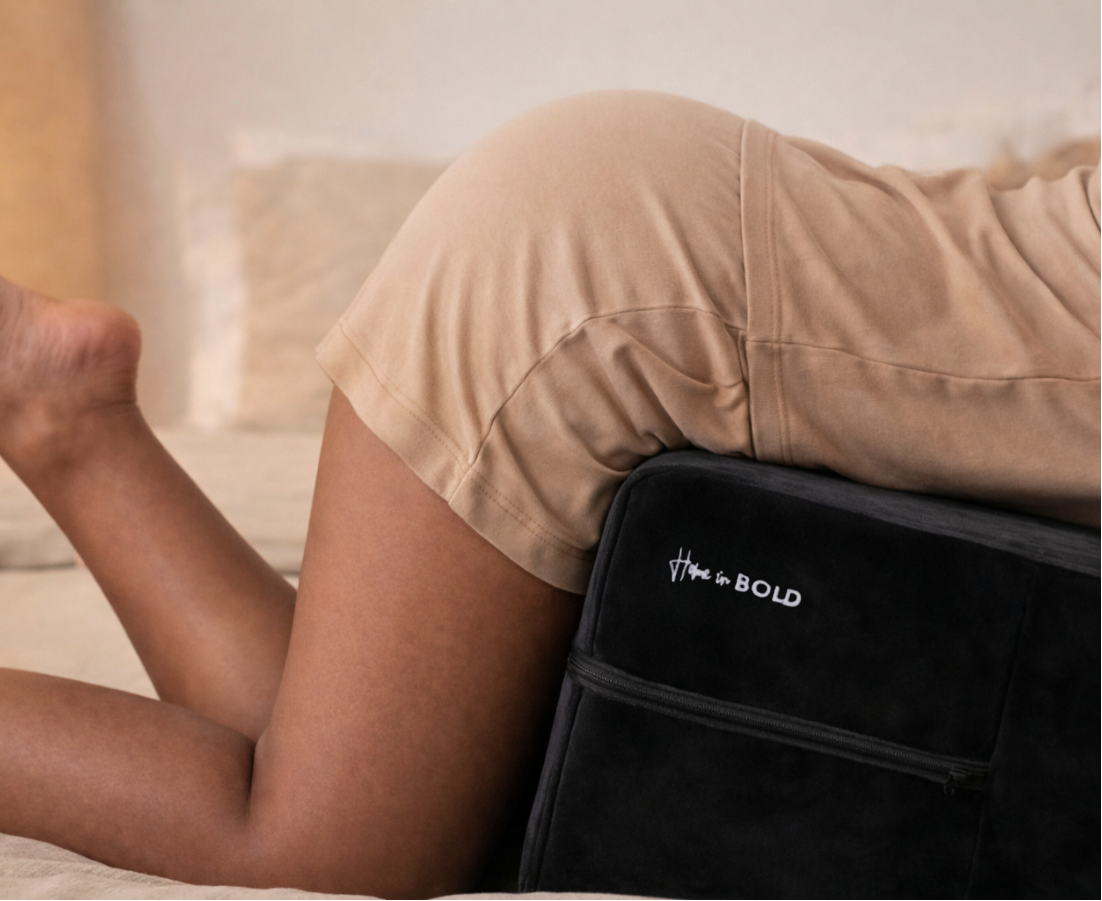
The positioning principle for CFS is the same as for any energy-limiting condition: eliminate all muscular effort that isn’t contributing to sensation. Side-lying positions require almost zero sustained muscle engagement from either partner. The receiving partner’s hips elevated on a wedge in a face-up position eliminates the pelvic tilt they would otherwise have to actively maintain. The prone position with hips on a wedge requires no active engagement from the receiving partner whatsoever — they simply lie still and experience the sensation, which is not a lesser version of sex but a different and equally valid one. See our full breakdown of low-effort sex positions and our guide to sex with fibromyalgia, which shares significant overlap.
Managing Flares and Communication
CFS severity fluctuates, and sexual capacity fluctuates with it. Communication between partners about current energy state — without guilt or obligation — is the most important adaptive tool available. A partner who asks “what would feel good and not cost too much today?” rather than assuming capacity is a significant enabler. Non-penetrative intimacy — massage, closeness, manual or oral stimulation requiring minimal effort from the person with CFS — maintains connection during high-symptom periods without triggering PEM. Psychology Today’s chronic illness resources include couples communication guidance relevant to this dynamic.
| Position | Energy Cost (receiver) | Energy Cost (giver) | PEM Risk | CFS Suitability |
|---|---|---|---|---|
| Cowgirl, no support | High | Low | High | Poor — avoid on low-energy days |
| Standard missionary | Low | High | Low-moderate | Moderate |
| Spooning | Very low | Low | Low | Good |
| Prone bone, wedge under hips | None | Low-moderate | Very low | Excellent |
| ⭐ Side-lying + wedge support (Our Pick) | None | Very low | Minimal | Best for CFS |
See the Wedge & Ramp Combo on Amazon
For people with CFS, sexual activity is a legitimate form of physical exertion and should be factored into daily energy budgeting. This isn’t pessimistic — it’s practical. Planning around energy levels allows intimacy to remain a positive experience rather than a source of symptom exacerbation.
Related Articles
Our Pick: Wedge & Ramp Combo Set
Eliminates effort · maintains sensation · washable cover
Frequently Asked Questions
Jake Turner
Senior Editor · GloryHoleToGo
Jake has spent over a decade reviewing sexual wellness products, positioning aids, and intimacy furniture. His recommendations draw on hands-on product testing, consultation with certified sex therapists, and analysis of thousands of verified buyer reviews.