
Sex With PCOS: Managing Pelvic Pain and Finding Comfortable Positions
By Jake Turner · Senior Editor · February 2026
Polycystic ovary syndrome (PCOS) affects an estimated 8–13% of reproductive-age women globally, making it one of the most common hormonal conditions. Its effects on sexual health are real but often underdiscussed: pelvic pain during menstruation and potentially during sex, hormonal effects on libido, and the body image challenges that can accompany PCOS-related weight changes or hirsutism. Positioning can’t address all of this — but it meaningfully addresses the physical comfort dimension.
In This Article
How PCOS Affects Sexual Health
PCOS is characterised by hormonal imbalance (elevated androgens, irregular or absent ovulation), and potentially polycystic ovaries visible on ultrasound. Its sexual health effects include: dysmenorrhea (painful periods) that can cause pelvic pain during and around menstruation; ovarian enlargement that may cause pelvic discomfort during deep penetration; hormonal effects on libido (which can go either way — elevated androgens sometimes increase desire, while the condition’s associated depression and body image challenges often reduce it); and vaginal dryness or reduced lubrication in some women. The PCOS Awareness Association provides comprehensive information on the condition’s broader health impacts.
Pelvic Pain and Penetration: What’s Happening
Pelvic pain during sex in PCOS can result from ovarian enlargement (cysts pressing on surrounding tissue during deep penetration), pelvic inflammatory conditions that sometimes accompany the hormonal environment, or the referred pain of dysmenorrhea. The positioning principle is the same as for endometriosis-related pain (covered in our pelvic pain and positioning guide): avoid deep penetration angles during symptomatic periods, and use positions where the receiving partner controls depth. Shallow entry with the hips in a less-tilted position reduces the likelihood of reaching the areas of ovarian tenderness.
Positions That Reduce Pelvic Discomfort
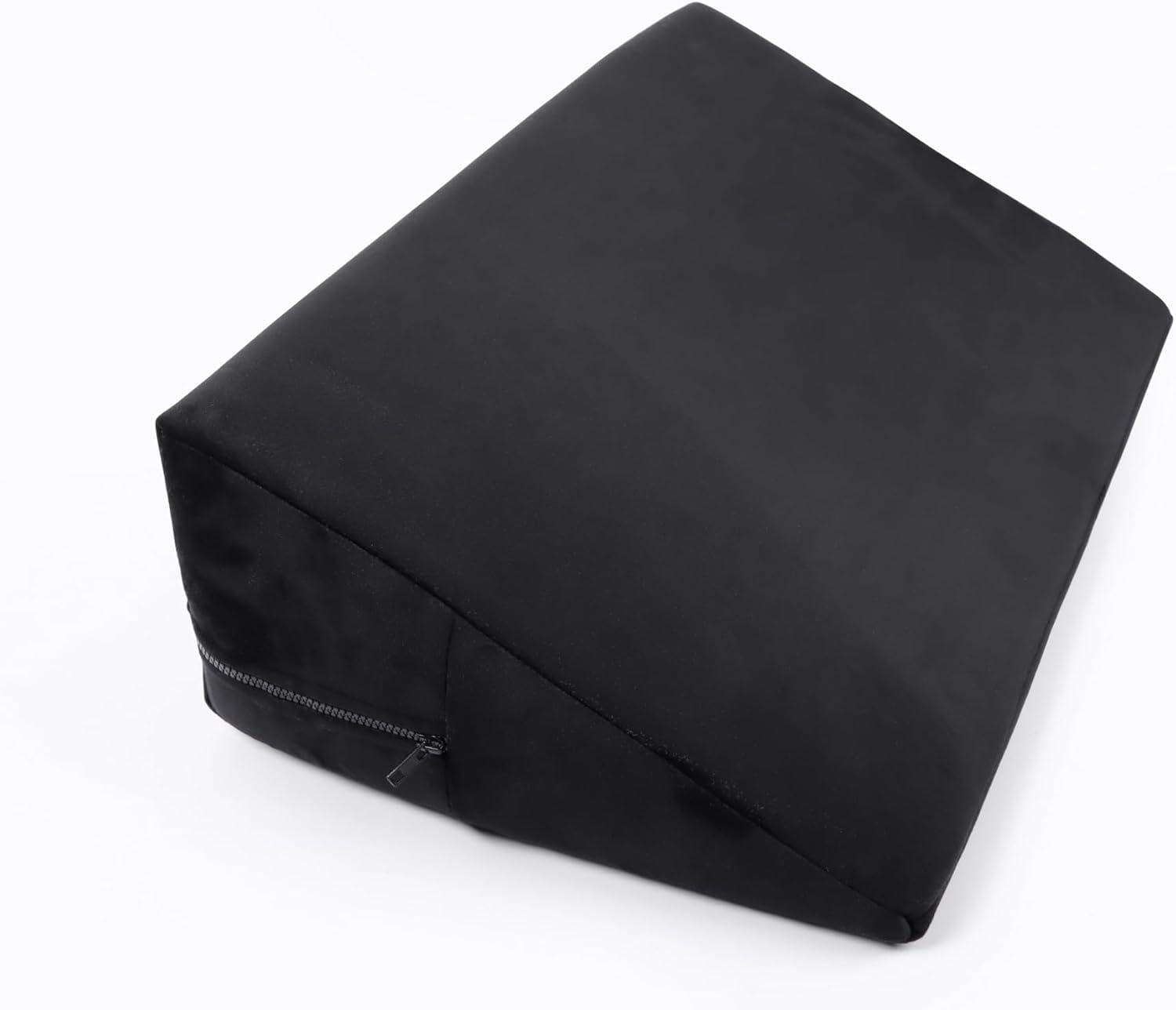
Positions that limit penetration depth are the priority during symptomatic periods. Side-lying (spooning) naturally limits depth and allows the receiving partner to adjust easily. Cowgirl gives full depth control to the person with PCOS. Modified missionary with a wedge under the hips changes the penetration angle so that it contacts the anterior wall rather than pushing posteriorly toward the ovaries — often reported as significantly more comfortable during pelvic pain episodes. Avoid positions like standard doggy style that naturally encourage deep, posteriorly-directed penetration during flare periods. Outside of symptomatic periods, there’s typically no need for modification — PCOS doesn’t inherently cause painful sex in the absence of other factors.
Hormonal Effects on Libido and What Helps
The elevated androgens characteristic of PCOS sometimes increase libido — a silver lining that not all women with PCOS experience. More commonly, the combination of irregular cycles, associated depression, and body image concerns suppresses desire. Addressing the underlying hormonal management (with a gynaecologist or endocrinologist) makes more difference to libido than any positioning strategy. But in terms of physical experience — making sex comfortable enough that desire isn’t undermined by anticipated pain — positioning is genuinely useful. Healthline’s PCOS overview covers the medical management landscape.
| Position | Penetration Depth | Posterior Ovary Pressure | Receiver Depth Control | Recommended During Flare |
|---|---|---|---|---|
| Standard doggy style | Deep | High | None | Avoid |
| Standard missionary | Moderate-deep | Moderate | Limited | With caution |
| Cowgirl (PCOS partner on top) | Self-controlled | Self-controlled | Full | Yes |
| Spooning | Shallow-moderate | Low | Good | Yes |
| ⭐ Modified missionary + wedge under hips | Moderate, anterior-angled | Low | Good | Yes — our recommendation |
See the Wedge & Ramp Combo on Amazon
PCOS-related pelvic pain often varies with the menstrual cycle phase — many women find certain cycle days more comfortable than others for penetrative sex. Tracking symptoms alongside cycle phase can help identify lower-risk windows for more active sex.
Related Articles
Our Pick: Wedge & Ramp Combo Set
Anterior-angled penetration · reduces ovarian pressure · washable
Frequently Asked Questions
Jake Turner
Senior Editor · GloryHoleToGo
Jake has spent over a decade reviewing sexual wellness products, positioning aids, and intimacy furniture. His recommendations draw on hands-on product testing, consultation with certified sex therapists, and analysis of thousands of verified buyer reviews.